Making Your Own Easter Baskets – Fun and Inclusive Activity for All Ages

Making Easter Fun for All = Creating Playful, Connection

Easter is a time for family, friends and loved ones to gather and celebrate in their own special ways. Most of us will include an egg hunt or a few special activities to include in this special day. What we don’t always think about is doing something that all ages can take part in. Or can be done regardless of the weather outside.

This could take place of an egg hunt or in addition to. And there is more than one way this activity could be done.

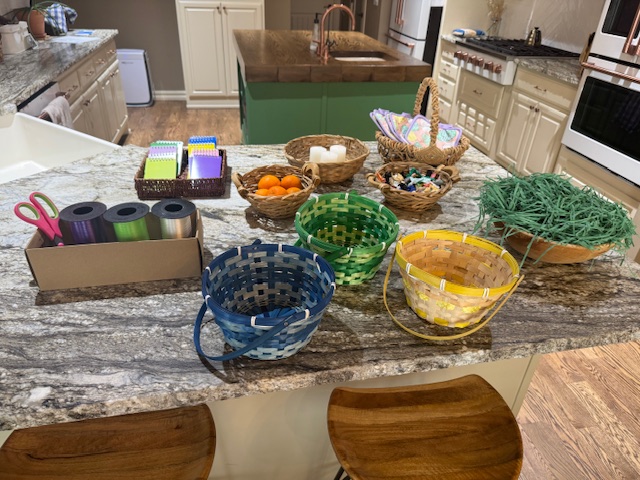
  • Each Family or Person Brings Small Easter Gifts for the Other Participants to Exchange – And each person brings their own Easter basket or Easter sack or whatever container they choice for their “Easter Basket”. These can be arranged as in the pic above or however you so desire. Basically this is set up for each. person to come and select items they want to put in their basket and they can, in addition, add some ribbons to their basket or whatever offering you have to decorate their baskets. Having a tag they can attach and decorate with their name will help with “mixups”. PROS: I like this version as everyone is involved and sharing small gifts for everyone. And it helps the host as to not having to do all the gathering and paying for all the items.

OR

  • The Host Provides All of the Small Easter Gifts for Putting in the Easter Baskets or Easter Sacks, etc. Easter Containers Can Be Provided by the Host or the Participants. This can help to keep it simple and if the host likes doing this kind of thing.
  • The Host will probably want to provide grass for the baskets and ribbon and tags to decorate and id the baskets. Or the host can ask a few folks to help with this as their contribution to the project.

IDEAS FOR PLACES TO BUY SMALL GIFTS: Think Dollar Store, or Another Discount Store, Bulk Buying Stores.

POSSIBLE INEXPENSIVE ITEMS: mini note pads, hair ties, mini bag of paper clips, mini bag of batteries, mini candles, baby oranges or apples, baby boxes of raisins, pencils, stickers, mini bubbles, mini play doughs, etc. OR something you have a bunch of from a bulk buy.

GIFTS FROM THE HEART: A Homemade, Healthy or Sweet Treat, Easter Compliments for Each Person (could be put in an Easter egg – done specifically for each person), A Poem or Quote Or Inspirational Message, etc, I really like this option as it addresses what we really need – love, meaning, and connection.

OTHER THINGS TO CONSIDER: Including gifs for different interests, young and older. Maybe doing different colours of one item for a choice. Choosing things that are on the smaller side to fit in a basket or small sack.

SPECIAL NOTE ABOUT COOPERATIVE EGG HUNTS FOR ALL AGES: In my blog collection you should be able to find my ideas and personal experience with doing ‘”cooperative egg hunts” with individual eggs marked for each person. This is to move away from some children upset as they did not gather as many eggs as others. Plus, I always include adults in my cooperative hunts. Oh what fun to see folks help each other find their eggs.

To me the important thing is to create interactive, playful activities that your loved ones can all do together, creating connection and a sense of belonging – what a beautiful Easter gift you have created!

No one is you and that is your SUPER POWER!

I went to a therapy training recently on the use of media in relationship to super heroes and villains, using innovative ways to help clients find their own unique Super Powers. I have written about Super Powers before. This is just a bit of an additional twist to my original post.

One of the exercises we were asked to do was to choose a super hero or villain that we identified with. I just went with my gut and choose “Super Woman”. The version I know is a woman who is strong and resilient and courageous as she overcomes adversity and grief. She is also a protector. For a variety of reasons, I could identify. The activity, of course, was for us to get in touch with our own unique strengths or those that are there within us that we want to bring to the forefront to aid us in our journey called life.

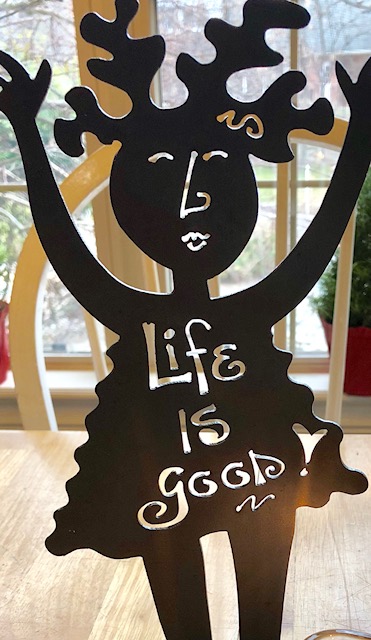
I found this “no one is you . . . ” poster above recently and had to purchase it, as it really resonated with me. The whole concept that it is our own unique self that is our Super Power is so self empowering. We each have our own unique combination of characteristics and personality and gifts. It is our own special blend of our Super Power.

I hope you too will look within and find your own unique mix that makes you who you are and what is always there for you to use in your daily life or in times of worry or upset.

Here is to all of us and the wonderful gifts we can draw on for ourselves and also as a gift to others and the world around us.

What character or super hero do you identify with?

The Power of Gratitude – Setting Yourself Up to Feel Good

Nothing is more powerful than remembering all the “good things” in our life to counteract the distressing feelings that seek to creep in during these very challenging times. 

As we approach Thanksgiving, this can be a time to pause and reflect on the good things that are happening all around us. Clearly being mindful of and holding these things within us, letting them sink in and take root is a welcome balm to sooth and reassure us we are going to be ok. 

We can use this time as a reboot to begin to see the good that gets lost among all the hard parts we are going through right now. This upcoming season is known for the light that comes through during the darkest part of the year. Gratitude can pave the way.

Consider starting a regular “gratitude practice”. There are many ways to do this. I am offering some examples to get you thinking as to you creating your own unique practice. 

Starting a Gratitude Practice

  • Dinner Gratitude Ritual – We can start this during this Thanksgiving Time or anytime we so desire. Having a nightly dinner ritual were we all let our family know what we are grateful or thankful or happy for that happened that day. Even if you live by yourself you can take note of the good that has occurred. What a lovely way to end of the day.
  • Blessing Jar or Happy Jar – This can be named in whatever way is a fit for you personally or for your family. It can be done just for yourself or for your family. This can be set up to be done spontaneously or can be done in a routine, set time. Some families like to do this during their weekly family meeting or Sunday meal together. You can experiment and see what fits best. Very simply have paper and pen next to a jar. I like to use mason jars and start with a new one each year, labeling what year it is. Of course, one could use a box or any other container. You or your family could decorate the outside of the container to personalize it if you would like. Or it could just be a simple jar with the year marked on the lid. Having a time when you review all your blessing each year is a nice way to end the year, reflecting on all the good that has occurred.
  • Gratitude Journal – This is normally done individually. But could be a family one as well. Most folks who do these will write down 3-5 things or as many as they like of what they feel grateful or thankful for that day. These can be very simple things. In fact remembering to notice these small things can really increase our good feelings. Some people will date their entry. Before going to bed is a great time to do this activity, letting all the good things sink in from the day.
  • Notes of Gratitude to Others – This is taking your gratitude practice to another level. When we share our gratitude with others it can feel so good to see how we have uplifted another person. It is a very special gift you have given. This of course can be done verbally as well. Sharing compliments and encouragement with our own family is so very important.
  • Gratitude Affirmations – You can collect or make up these affirmations of gratitude and thankfulness. Saying them at the beginning and / or end of the day or spontaneously when you feel you need them can help to rewire your brain to see more of the good. And isn’t this what we all want – to feel good.

Expressing gratitude for the good things in your life will lead to more good things. When we focus on the good, we find more good coming into our life. I wish you the very best as you begin your own gratitude practice.

It’s All in the Detail – Highlighting the Good and Increasing Your Happiness and Others

woman with flowers around her head not photo

Look for the detail and live in the right here and right now, leaving behind the past and future worry. Of course we need to at times reflect on the past or contemplate the future. But making sure we have a significant portion of our daily living in the present with focus on the detail is so refreshing and renewing for us. When we choose to focus on the positive details or what makes us happy that will bring us the most joy and happiness. And isn’t that what most of us want.

How to Bring More Present Centered Detail to Your Life to Increase Happiness

  1. Create a Daily Mindful Practice That Celebrates Detail. Choose each day to have some time that you consciously take time to see the detail in your environment and / or in your relationships.
  2. Use Your Five Senses to Find the Detail. Search for detail using your five senses: sight, sound, touch, hearing, and smell It is simply letting ourself sink into your senses to really be with something or someone.
  3. Detail the Happy. Let your detailed focus “highlight” or shine light on the POSITIVE and what makes you feel hopeful and happy.
  4. Pay the Detail Forward. Let others know the cool things you have noticed and appreciate, weather it is about what is around you or what you are grateful for or what you love or appreciate about them that you have noticed when you are wearing your “look for happy detail glasses”.
  5. Play Back the “Feel Good” Details to Enjoy the Benefits. You now have stored some detailed happy feelings from the detail you have chosen to notice, You can go back and access these memories whenever you like. They become stronger and more wired in your brain when you do this.

Enjoy each and every day finding the beautiful things around you. And look at the relationships in your life and find the small things that others do for you and let them know how much you appreciate this. Pay it forward!


Play for a Calmer, Happier You and for Better Relationships

photo by noah silliman

We all want to feel happy and be connected with our loved ones. Play is a natural way for us to feel light and joyful thus spilling over into feelings of happiness and passing that on to the ones we love. Sounds pretty simple. But with our busy schedules and endless “to do” lists and activities, it may take some conscious effort to make this happen.

As this is National Play Therapy Week, February 3-9, I thought this may be a good time to share some thoughts about play and some of it’s wonderful benefits. As a Registered Play Therapist I use play in a therapeutic way in my private practice. Not only is play helpful for children. It is helpful for adolescents and adults as well. Play is truly healing and restorative. It is connecting and relationship building. Play is a wonderful preventative prescription as it requires the focus of being in “the moment”, not worrying about the past or the future.

Let’s look at ways to incorporate more play into your life. And how to do so in the most healthy ways possible.

Play for YOU to Rejuvenate and Relax

photo by ariana prestes
  1. Choose Something That You Really Like or Love, Just for the Pure Enjoyment of It. The key here is YOU and what YOU enjoy and brings YOU pleasure. This is not exercise or your yoga practice, etc. Even though these should bring you pleasure and feel good.
  2. Choose a Time That You Can Focus on the Playful Time and Let Go of the Past or the Future. Just allowing a time for you and the feeling of playfulness and joy.
  3. Choose Something that is Lighthearted and Fun. There is lots of time we spend in our life being serious. This is a  good thing. But we all need balance.   Pure fun is such a freeing  feeling that gives us a break from our worry.. So give yourself this gift.  You  deserve it!
  4. Take a Break From Your “TO DO LIST”. Doesn’t that sound wonderful. Just not doing anything on this list will open up space to be playful and rejuvenate your spirit.

Some possible playful ideas for YOU:

  • Spend time in nature, enjoying all that you love in the outdoor setting.
  • Cuddle up with and play with your animals.
  • Ride your bike or take a walk in a slow, enjoyable way, taking in all around you. This is different than exercise, more a meditative activity.
  • Spend time doing something that brings you joy. Maybe it is cooking or maybe it is painting or writing or playing music or shooting some hoops. Do what brings you joy.

“Playfully Yours” Couple Time

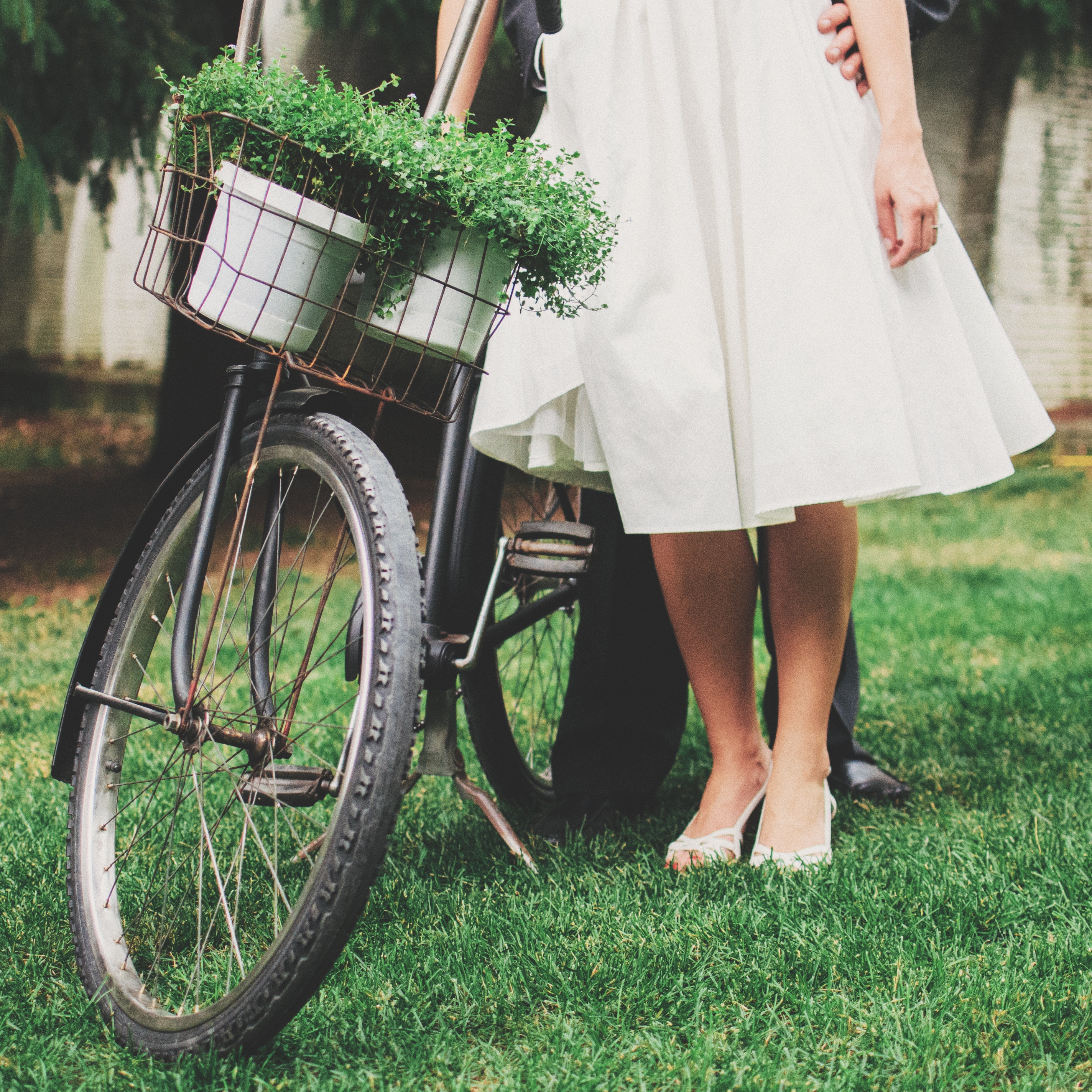
photo by scott web

We start out being playful and having fun in our relationships. And as time goes by, you may find this is less so. As one person said to me, “Life gets in the way.” Our lives do become more full with families and more demanding work, etc. So let’s look at ways we can keep the playful / fun in our couple relationships.

  1. Schedule Time for Fun. That may sound not too playful. But for some folks it is the only way “fun” happens. This can be a weekly date night or date day. It is a great start. This can evolve into more spontaneous playfulness
  2. Create the Atmosphere and Space for Spontaneous Playfulness. Inject a light heartened response, initiate playful behavior, be flirtatious, etc. Be a “playful person” whenever you can. All this contributes to a more light, positive feeling. Share more positive than negative to help allow for more playfulness to emerge.
  3. Recognize and Remember the Value of Keeping a Playful Connection. This is a basic core piece of a healthy, vibrant relationship. A playful connection is needed to keep our relationship alive and well. It is a component that we need to nurture and see as important.
  4. Couple Time is not Group Couple Time. Sometimes we will lump spending time with a group of friends as a couple activity. It is and it is not. True couple time is just the two of you focusing on each other and having fun and being playful together.
  5. Brainstorm What Playful Things You Want to Do Together. Update with each other what you feel you are missing or really want to do that would make you feel more connected and more happy. Then put them into action.

Family Play Time

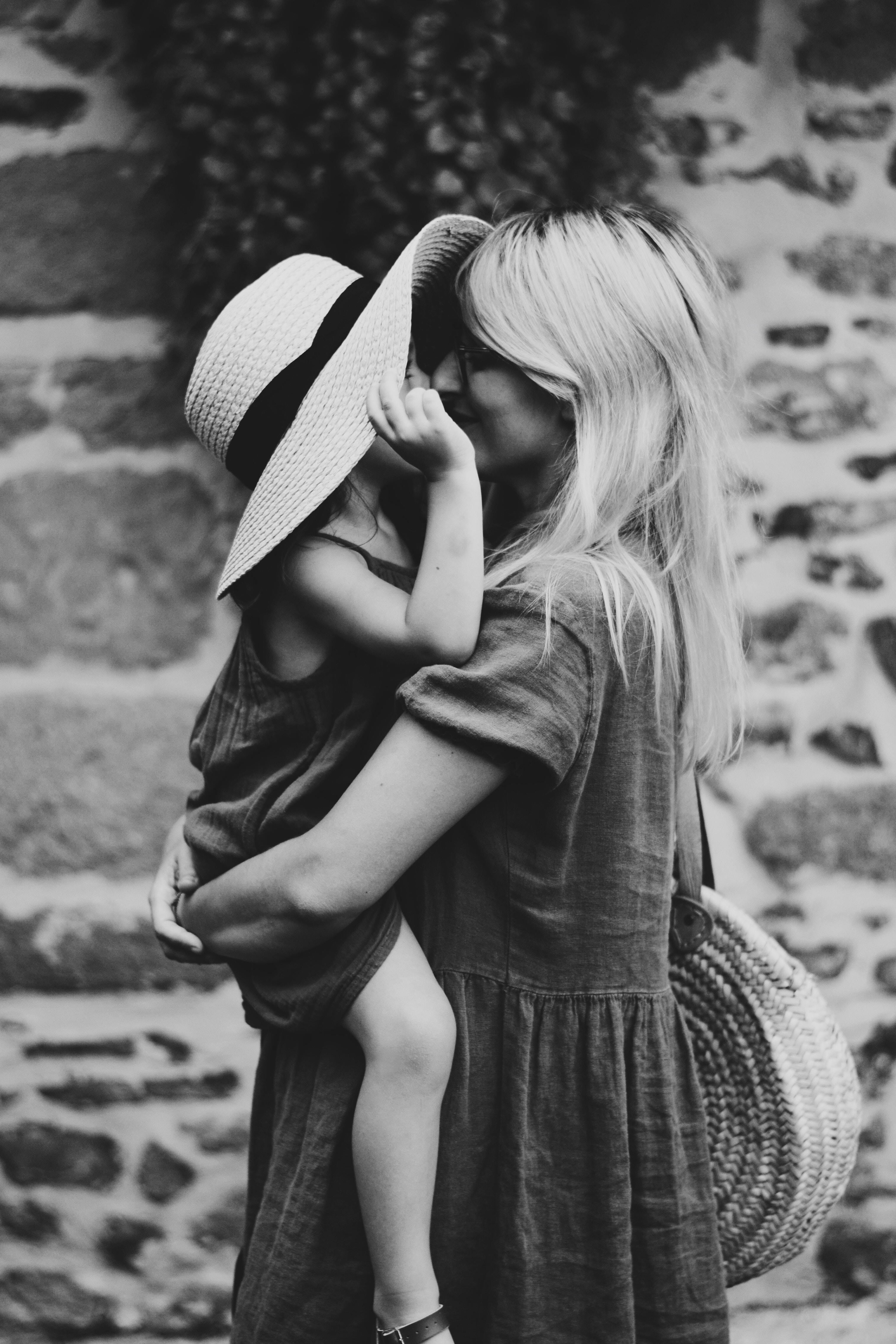
photo by caroline hernandez

Playing together as a family is so “up there” as to healthy family functioning. It helps to build strong, connected relationships. This in turn helps as we do the job of guiding and leading our children. Children respond more cooperatively and have a stronger attachment to parents when the relationship is a balance of playful connection and positive guidance.

In our busy, full lives it can feel challenging to incorporate time for play. But we really need to do so. It may mean looking carefully at what our children and we as adults are involved in. We cannot do it all as much as we would all like to. Of course age of children and special circumstances will play into our decisions.

Things to Consider in Planning Family Play Times

  1. Consider your children and their age, choosing something that is a developmental fit / age appropriate for them. This will increase their enjoyment as well as yours. In addition, this will set the stage for a successful family play time.
  2. Think about what your children enjoy, what their passions are and try to make sure these things are a part of the mix. This does not mean we cannot expose them to new things. Alternating what is done with family play time with the different interests within the family is a good thing – helping to give children the gift of being tolerant and ok with doing a variety of things.
  3. Create a balance of at home and out of the home play times. This is a great modeling of helping children know you can  create your own fun in your own home and know you do not have to have a lot of money to do so. Of course it is fun to do adventures out of the house. But again they do not have to be grand vacations. There is lots to do locally and within neighboring towns. And of course, special vacations are great as well.
  4. Parent / Child Dates for Individual One on One Time. It can be very connecting to have one on one Parent / Child Dates or Play Times if  you feel your children crave individual time. Of course this means making sure all your children have their turn to keep harmony within your family.

I wish for you a deep rejuvenation and more happiness as you experience more play in your life. And I wish you well as you as create more playful times within your relationship.

PROFESSIONAL DISCLOSURE: THIS BLOG IS OFFERED AS EDUCATIONAL INFORMATION AND IS NOT OFFERED AS PROFESSIONAL THERAPEUTIC SERVICES. THIS IS NOT INTENDED TO SERVE AS TREATMENT. FOR PROFESSIONAL HELP CONTACT YOUR LOCAL MENTAL HEALTH PROFESSIONAL. STROM INDIVIDUAL AND FAMILY THERAPY IS NOT LIABLE FOR ANY ACTION OR NON ACTION YOU TAKE IN REGARD TO THIS ARTICLE.

How to Choose the BEST Therapist for Your Child

child and parent looking at each other with connected hands london-scout-41029 unplash

Photo by London Scout

You are feeling you need to get help for your child. You want the BEST to help your child feel better and be able to function in the world in the most healthy way possible. It is so hard to come to a place where you feel you need help. But at times that is what is needed. Part of our job as parents is to recognize this and do what is needed to help our child have a reparative experience to heal and move forward. It may be to learn coping skills or how to communicate feelings or to deal with other things that are affecting your child in a negative way. As a child therapist I always try to help those in this situation find the best fit for their child or teen and for them as parents because I know this will mean the best outcome.

Key Components in Finding the BEST Child Therapist for Your Child

  1. Take into consideration what age your child is and find a therapist who has specialized training to do work with this age. If you have a child who is under 9 years of age, it is best to consider a Registered Play Therapist. Even if your child is older than this, it may be best to go this route. Those under 12 will normally benefit from this kind of therapy as well.  Play therapists are trained to interact and treat children in a way that is developmentally appropriate and that is most effective with this age. Play therapy is not just for young children. As a Registered Play Therapist I work with children and teens in a playful, activity based way that engages and helps children / teens to process and heal. In addition, play therapy can be used with adults.  Go to www.a4pt.org to find a listing of Registered Play Therapist in your area. This is the Association for Play Therapy’s national website. It has information on Play Therapy if you go into the Parent’s Corner section. If you have a teen, then you will want to have someone who regularly works with teens. A good play therapist will adapt the therapy to match the child or teen. Please note: Different child therapists will each have their own lower age limit. For many it is 3 years of age. Therapy for under 3 years of age is normally done in a parent/child format.
  2. Check in with the therapist and make sure they treat whatever you are needing help with. Each therapist will have their own specialties within the Child Therapy world. Or some areas they do not treat. So it is good to ask before you book an intake.
  3. Find a Child Therapist who also does Family Therapy.  Good child / teen therapy work will involve parents. As a therapist we will most of the time only see a child one hour a week. Parents play an integral part in helping their child or teen to get better. Parent sessions should be a part of treatment, along with parent / child work or family therapy if this fits with the particular situation. This kind of work involves a balance of helping children / teens have a safe place to express feelings and one in which they will be encouraged to work with their parents, but not forced. I love this wonderful opportunity to help families be more whole and help each other be more supportive and nurturing of one another. One therapist licensure that has specialized training in family therapy work is Licensed Marital and Family Therapists (LMFT). But there are others who have great training as well.
  4. Read up or ask about the therapist’s professional background – training and experience. Many therapist have a website which can be helpful in an initial screening as you begin your search. Some folks do an internet search. This said not all therapist have a website. In this case you will want to ask them directly about their background.
  5. Ask parents or other professionals that you trust if they have a recommendation to look into.  Sometimes your school or child’s doctor will know of some folks they feel comfortable recommending. But in the end it is who you feel comfortable with to treat your child. I might add that I think it is best to talk with a couple of different folks to get some feel for them as a person and as a professional before you set an appointment. Some therapists are willing to have a bit of a chat with you before you come in for a parent intake. This can be very helpful.
  6. Seek an individual that you feel will be a fit for your child or teen and you as a parent. Therapists come with different kinds of training and different kinds of approaches. Plus therapists are humans. They will each have their own personalities and ways of connecting with their clients. Find one that is a fit as to feeling comfortable with their approach and their personality. If you find you or your child are not able to connect and develop a relationship, then find someone who fits that bill. I am not suggesting going from therapist to therapist. If you have done some homework before and have a parent intake, you will probably know if it is going to work for you and your child or teen. Developing a close working relationship is key. 
  7. Check out the therapy “environment”. Does it feel warm and safe? Is the child therapy room set up with developmentally appropriate therapy materials? This would include: a therapeutic sand tray with miniatures, creative art therapy materials, puppets, doll houses, make-believe props, plus other materials that will allow children to express or act out their feelings. Therapeutic games for those that are older may be a part of this therapy set up. This kind of environment leads to playful fun and healing at the same time.
  8. Don’t be shy. Ask any question that you have about the therapy process or really anything that you feel you need to know as a parent. Your therapist should be ok with questions. A good child therapist will want to have a collaborative relationship with you the parent.
  9. The practical basics have to be considered: Kind of Setting, Fees, Location, Appointment Times. This really could be an article in itself. So this is the highlights. Settings could include: Private Practice, Non Profit Organizations, School Based, Home Based. There really are some choices. There are pros and cons for each of these choices. You will want to decide what you most want from the therapy to help decide this question. There is self pay and in and out of network insurance, health savings accounts as to how to pay for therapy. There are special considerations with choices here as well.  Appointment times and location are of course another thing that will impact your choice.

child happy on unsplash collection by michael-mims-134037 blog on therapy 2-

Photo by Michael Mims

The right therapist for your child is out there. With a little bit of research you will find the BEST therapist for your child. Best wishes in finding the right fit!

PROFESSIONAL DISCLOSURE: THIS BLOG IS OFFERED AS EDUCATIONAL INFORMATION AND IS NOT OFFERED AS PROFESSIONAL THERAPEUTIC SERVICES. THIS IS NOT INTENDED TO SERVE AS TREATMENT. FOR PROFESSIONAL HELP CONTACT YOUR LOCAL MENTAL HEALTH PROFESSIONAL. STROM INDIVIDUAL AND FAMILY THERAPY IS NOT LIABLE FOR ANY ACTION OR NON ACTION YOU TAKE IN REGARD TO THIS ARTICLE.

Setting & Keeping Healthy Holiday Boundaries

andrew-walton-w_andrew_j-instagram-176048

photo by andrew-walton

As we are now immersed in the holiday season, it is a good time to decide if it is gong the way we want it to go. There are so many ways to celebrate and so many activities to be involved in. Lots of decisions as to what to do within this potentially beautiful time of the year. So getting a clear vision of what you want is a good start  The second part can sometimes be the more challenging one – setting boundaries.

Here are Five Tips in Setting Healthy Holiday Boundaries

  1. Creating a Vision of What You Do Want. This is the first step in creating healthy holiday boundaries. What is it that you most want and desire for the holidays? What kinds of things would you see  yourself doing if you were creating a holiday that you most wish to create?
  2. Sharing Your Vision with Your Partner and Children. This may or may not be their vision. So it may mean being able to collaborate and find a way you can all have some things you most desire. Or you may have two visions – one for you and one for your family, coming to a place of self-care and of spending conscious mindful time with your family.
  3. Set Healthy Respectful Boundaries to Protect Your Emotional and Physical Self. If you feel something is just too much or you really do not want to participate in something, it is ok to say no. We can say this tactfully and politely. But we can say no. We can suggest something else that will work for us. Or we can just say no. This is hard ,for we all want others to be happy with us. But in the end we really need to do what is best for us and our emotional and physical health. If we are concerned about hurting feelings, we can say something positive and express our caring if we feel the other person will see our no as a rejection.
  4. Whatever You Decide, Enjoy Each Moment in a Mindful Way. Be good with what you decide. Try not to second guess yourself. Or feel guilty or selfish. Your job is to be joyful and take good care of yourself. I am not saying we do not care or assist others, just that we do it in a way that balances with what really works for us. It may be it feels good to do something extra for somebody. The thing is that we are doing it because it is what we really want to do or feel is the best for us in the long run. It is all about the many choices that lay in front of us and mindfully choosing.

Enjoy this wonderful holiday season. Peace and light to you all.


alexey-kuzmin-175371

photo by alexey-kuzmin


Professional Disclosure: This blog is offered as educational information and is not offered as professional therapeutic services. This is not intended to serve as treatment. For professional help contact your local mental health professional. Strom Individual and Family Therapy is not liable for any action or non action you take in regard to this article.


Less Serious, More Playful

Less Serious, More Playful

Feel like your life is one endless stream of “to do” tasks? All work, no play. You can go through your life seriously “serious” all the time. I have to admit I tend to run this way, full of purpose … Continue reading

How to Create What YOU Really Want for the Holidays Ahead

happy-holidays-with-snow-and-penquin

I cannot believe I am writing a blog post on this, but it has already began – the thinking, the obsessing, the worrying, the planning, the stressing about the holidays ahead. The four upcoming holidays can feel like they all merge together into one massive overwhelm. It can be hard to separate them out. But of course it does not have to be that way. I want to share some ideas on creating holidays that are truly what YOU want. And now is the time to contemplate all of this – at the beginning of this time frame.

It is so easy to get caught up in it all and end up doing things you may not really want to do. Or to sometimes not really plan and end up not doing what you really want to do with your holiday time. So here are some ideas to consider.

 Questions you might ask yourself about the upcoming holidays that may help you be the true “creator” of  YOUR  holidays:

  1. What would my perfect holiday times look like? What would I be doing? Who would I be with? Ex. – For some it may mean enjoying time with loved ones. or slowing down to enjoy a special what ever it might be.
  2. What does each holiday really mean to me? Or what do I want it to mean to me? Ex. –  One family may say it is a time to reflect on what we are really thankful for?
  3. Does what I do reflect what I want my holiday to look like and be about? Ex. – Yes and No. Maybe yes we spend time together. But no there is too much competition with iPhones, video games, etc.
  4. What are my most favorite memories of past holidays? What was I doing? Ex.- One child may say when we had the snow ball fight in the front yard. Dad may say, when we went out looking at holiday lights and had hot chocolate after. Mom may say when we all made a holiday meal together.
  5. What are my most un-favorite memories and what can I do to avoid these from happening again? Ex. – This might be for some – the stressing and rushing and overwhelm.
  6. Do my holidays all merge together without a real feel of truly enjoying each one for what they are? A very good question, are we really mindfully enjoying each holiday?

Develop a Flexible Plan That Fits You and Your Family

  • Meet together as a couple or a family to talk about some of the above questions.
  • Decide together (or for yourself if you are single) what your main goals for the holiday are. Is it to relax? To be with family? Enjoy special holiday activities? Celebrate a particular religious belief? A mix?
  • As a couple or family you can put together a flexible plan of the kinds of things you want to do and begin gradually to work toward this.  Incorporating everyone’s ideas is very important if you are in a family or as a couple.
  • Keep in mind that too much will feel overwhelming for most people and that thoughtful choices are a much better route to go. It is not so much about how much you can pack in, but incorporating what you most want to do and really taking time to ENJOY it.
  • Try to stay open and flexible as plans shift and change as they will at times. Knowing you can be happy even if things do not happen exactly as planned.

My hope for you and your family is that you create what you most want and desire. Happy Holidays to you and your family!  holly-leaf-small


Professional Disclosure: This blog is offered as educational information and is not offered as professional therapeutic services. This is not intended to serve as treatment. For professional help contact your local mental health professional. Strom Individual and Family Therapy is not liable for any action or non action you take in regard to this article.

A Fun Calming Technique for Children – Butterfly Breathing + Butterfly Hugs

butterfly animated smiling pink with poka dots butterfly note for board.docx - source Your child is angry and beginning to escalate. Or you know your child is anxious and not sure how to feel better. I want to share a simple, fun technique designed for children I recently learned about at the Oklahoma Play Therapy Association’s Annual Conference. Dr. Jennifer Baggerly, PhD, Professor at the Counseling and Human Services at the University of North Texas at Dallas presented the Butterfly Technique. Here is how it works:

Butterfly Breathing

  1. Let your child know there is a way to make them feel better. It is always best to help your child when the emotions have not escalated to a very high level.  The sooner you can assist the better.
  2. Ask your child to pretend to be a butterfly! Model for your child what butterfly wings would look like. Hold your arms out and bring them in toward each other. And then out again, letting your arms / wings flap.
  3. Practice together with your child how their butterfly wings work. Practice always helps for being able to remember later when it is needed.
  4. Have your child now let the butterfly breath as it flaps it’s wings. Model for your child how the butterfly breathes. There is more than one way this can be done. The most important message is for the butterfly to breathe deep. One way to model this is by demonstrating and talking through the following wing / breathing pattern.
  • As the butterfly opens its wings, take a deep breath – you can count 1, 2, 3 as you open your wings if you wish.
  • As the butterfly closes its wings, let the breath out, letting all your worries out – you can count 3, 2, 1 as you close your wings if you wish. 

5.  Continue  “Butterfly Breathing” until your child feels more calm.  Model and do this with them as they learn this technique.

Note:  One website that shows the Butterfly Breathing technique with the 1,2, 3 count is:   elfenworks.org/butterfly. In addition you may go to iTunes and look at the Butterfly Breathing app put out by Elfenworks, which is free. The Elfenworks site has a butterfly breathing script and additional information in regard to their butterfly breathing technique. 


Butterfly Hugs

To add to your “Butterfly Breathing” you can add “Butterfly Hugs”.  Here is how you would do butterfly hugs:

  1. The arms / wings can fold into the chest with hands moving to rest on the arms, giving a hug to yourself. 
  2. Hands tap the arms and then hands rubbing the arms from left to right.

Good luck with your butterfly breathing and butterfly hugs and remember you may find it helpful for yourself to use as well. And the more you model for your child the more he or she will probably use it!