Having a Healthy, Happy Holiday. Is that Possible?

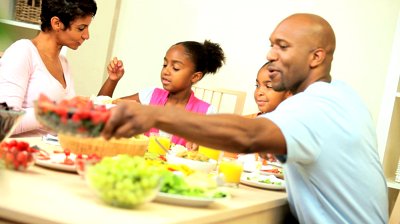
eating healthy family

Is it possible to have a healthy and happy holiday? I think so. First of all my definitions of “happy” and “healthy”. Happy is what brings you joy and feels really good to your whole mind and body. And healthy is about listening to our bodies and our “inner voice”. The two terms are actually very interconnected. 

When we think of healthy we think of what is “good” for us. And yes there is that part. But it is also about how when we are doing things healthy  (listening to our bodies and inner voices ) ultimately it brings us happiness and joy.

Here are some things to consider when thinking about your holiday and how it may be possible to balance these two not so unrelated concepts.

  1. Decide what YOUR definition of “healthy” and “happy” are. Each of our definitions will be a bit different as we are all unique.  
  2. Entertain the idea that “Good for You” or “Healthy” does not have to be not fun or boring or sacrificing. It can be joyful and feel really, really good. Because it is about really listening to your body and inner voice as to what is best for you and what you need right at that moment. And it feels so satisfying when you can be truly attuned to that small still voice within you. So you are at a family gathering. It may be your body is saying I have eaten a lot of food and have been sitting a long time, I need to move a bit. So you go for a walk with some like-minded folks who feel the need to go out and move a bit too. Or maybe you really want to splurge a bit and eat off the path and you find as you are doing this that your body has a time when it says that is enough, these few bites are enough. Or maybe you want to make a special dessert and still be somewhat healthy. So you search and find there are many such recipes available.
  3. Not being obsessive about being healthy. I am not suggesting that you not stay true to what you believe in and feel good about. I am suggesting that on occasion you may not have a choice and have to eat something that is not optimal or what you want to be eating. Maybe you are traveling. Or it may be you cannot exercise at the same level during the holidays, but you can get some active time. So be ok with what you can do and enjoy and decide not to worry too much about a bit of shifting.
  4. Plan concrete ways ahead of time as to how you can incorporate  your healthy / happy lifestyle into the holidays. As you are planning your activities with your family, try to see if you can include some active times and also some healthy dishes or drinks, etc.  Plus some true relaxing time frames. Because rest and relaxation are of course a part of a healthy lifestyle. So brainstorming as a family how you can have a nice balance of special treats and activities and also times of more low-key activity and some healthy food and physical activities.

Happy Holidays to you all and best wishes for a healthy, happy holiday!

How to Choose Toys, Games and Electronic Devices for Children

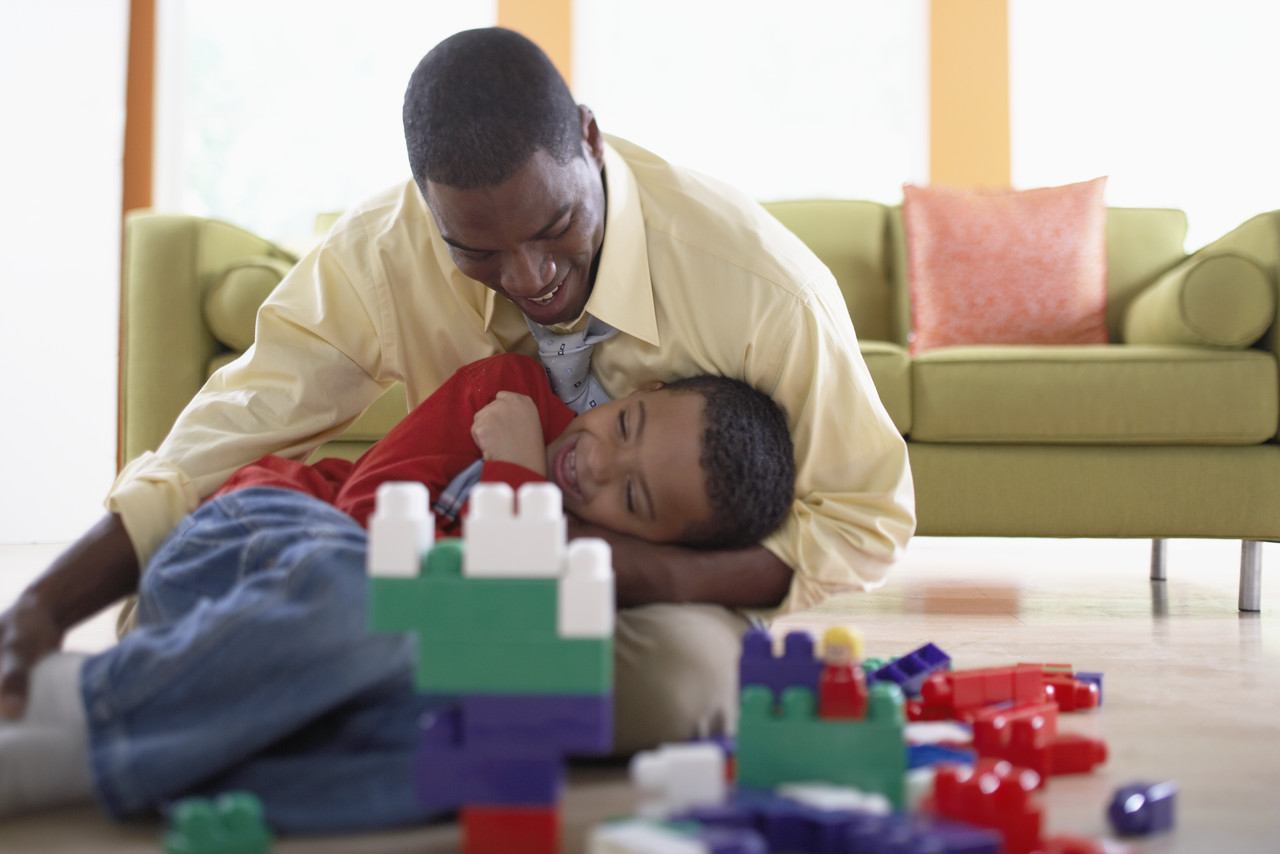
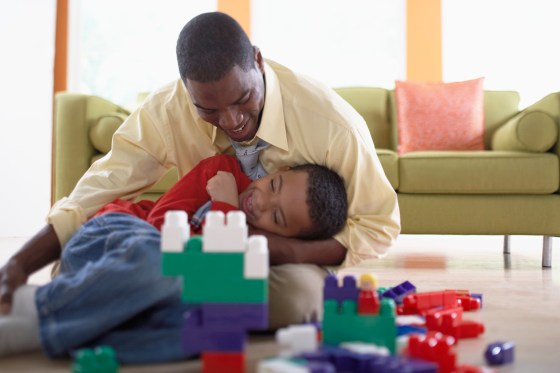
Father and Son Playing Together at Home

Weather you are a parent, new or not so new OR a grandparent OR an aunt or uncle, etc, it can feel a bit daunting as you are looking at all the toys and games before you. I think there are some basics for all of us to consider when we buy gifts for children. Because it does matter what we buy children.  I spoke in my last week’s blog piece on why it matters. So before you buy, here are some things to consider . . .

  1. Does this toy or game or electronic device represent something healthy? We want to encourage healthy thinking and problem solving. Plus, healthy interactions and ways of seeing the world. So ask yourself, as you consider this toy or game or electronic device – “Is this healthy and promoting what is good and wholesome. I know, wholesome is a bit outdated, but it fits for here.
  2.  Is what you are looking at developmentally age appropriate for the child you are about to buy for? I know at times children want or ask for items that really are not suitable for their age or maybe it may be ok for some 10 year olds, but for other 10 year olds it may not be a fit due to . . .  This may be that the child is not ready for a DVD that will keep them up at night with nightmares, etc. Sometimes we may not know  what is appropriate for each age. See some of my general thoughts posted below on the different age groups.  You will also find most toys and games have general age indicators on their packaging.
  3. Is it a toy or item that can be used in multiple ways to be creative? An example that comes to mind are open-ended building materials, such as:  building blocks, legos and other put together materials in which your imagination is the limit. Or maybe you are looking at a computer game. Choosing one in which you can create is a good choice in general, unless it is creating something unhealthy. Another example might be instead of giving coloring books, consider a pad of blank paper and some higher quality markers or colored pencils in a tinned box. Or opposed to a doll that talks, walks, and . . . , consider a doll that the child provides all the actions using their imagination.
  4. Is it well made and ideally with natural materials? There is so much more information the past several years about different plastics being toxic. Information on this can be found on the internet. You will find some more high quality toys that will have labels that disclose they are not using certain kinds of materials.
  5. Does this toy, game or electronic device dovetail with the child’s interests?  We are all unique individuals with areas of specific interest. This starts early on, so consider when selecting this gift “Would this be of interest to . . . or would they enjoy this?” This does not mean we cannot expose children to new things, we can. But it does make children feel you care and that you really get them when you are attuned to their unique interests. For example: animals or space or a collection of a particular something, etc.

General Thoughts on Different Age Groups & Some of My Favorites for Children and Teens:

Infants and Toddlers:

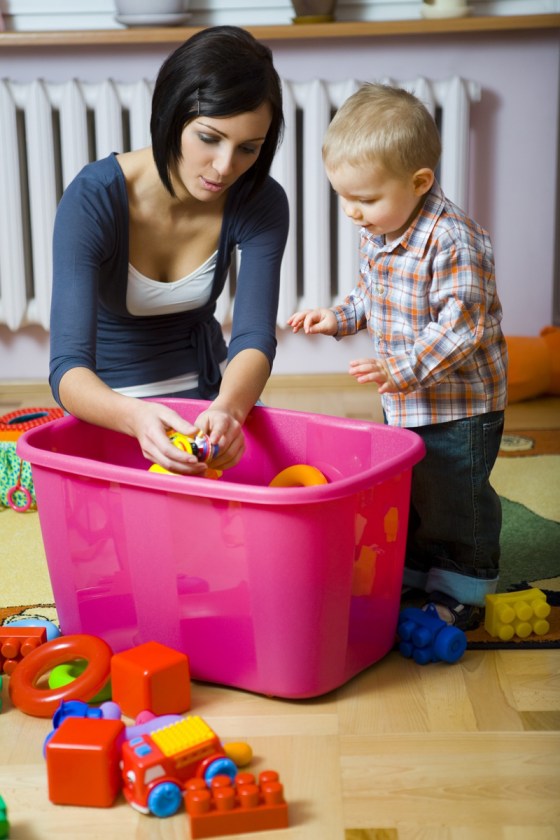
Infants and Toddlers put everything in their mouth and are exploring with all of the senses. So I try to remember the “no objects that could get stuck in their throat” rule. Plus, they love bright colors for stimulation and muted colors for rest and relaxation. Toys that are non toxic are extremely important for this age due to everything going into the mouth. Plus toys that can handle lots of active, physical play. Looking at the specific skills that are in their range or are emerging is important to consider.  From about 18 months -3 years you will see more pretend play happening.
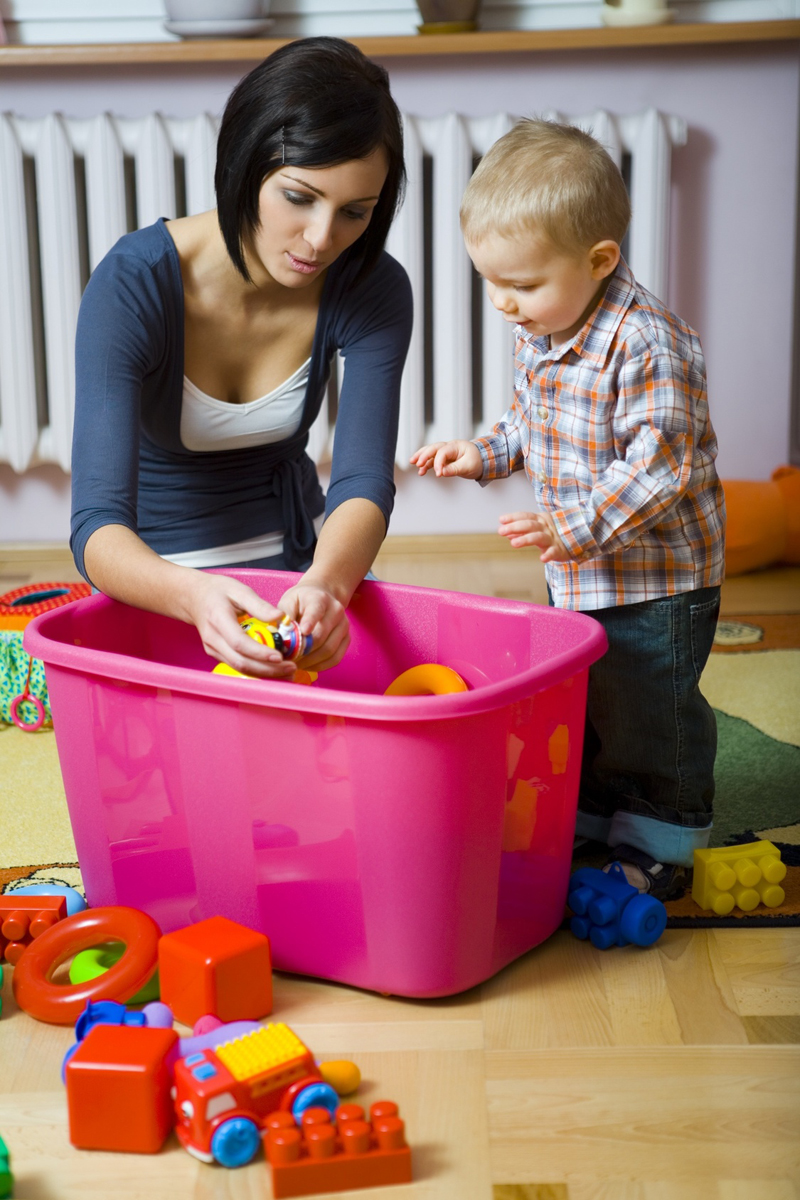
Look what is this

My favorites for this age group:  

Sensory Based Toys: Teethers with different textures. I really like Sophie a fun natural rubber giraffe and teether.  Blankets with different kinds of textures and sounds.

Balls of different sizes and shapes. (no extra small ones that could be swallowed)

Push / Pull Toys, Stacking Toys, Small Riding Toys

Duplo Lego for Toddlers and Twos / Threes

Simple Baby Dolls for both girls and boys

Simple Sturdy Hard Paged Books Intended for Infants and Toddlers

Preschoolers:

The age range from 3 -5 is one of lots of fantasy, pretend & highly imaginative play. More social cooperative play is part of this age. So this is something to take into consideration when buying for this age group.

My favorites for this age group:

Wooden Blocks

Pretend Domestic Play: Dolls, Sturdy Dishes, Stove/Sink Sets, Sturdy Simple Doll Houses  with People and Furniture, Cars & Trucks

Puppets

Creative Art Materials

Put Together Toys: Duplo and Regular Lego, etc.

Tricycles

Elementary:

More defined interests emerge for this group. You will find some children who love active sports and games and others who may be more into arts and crafts or computer games, etc. The lower end of this group, K-3rd will still enjoy some pretend, imaginative fantasy play and items as listed in the preschool age range. All of this will depend of course on the individual child.

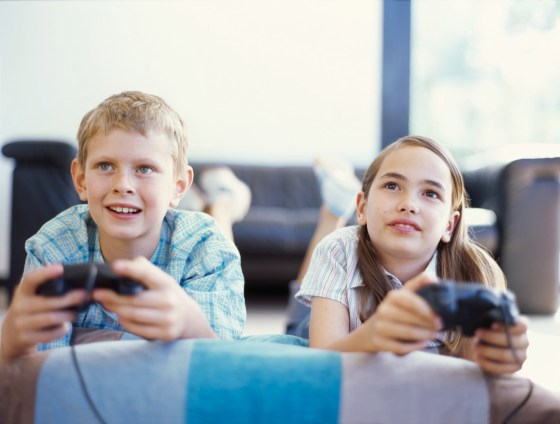
Electronic and computer kinds of activities are beginning to be more prevalent within this age group. If possible I think it is helpful not to let this slide down into the preschool age group, as they need to be exploring their world in a concrete way as the younger elementary set should be as well. Toys and equipment that encourage active play is so very nice as to sitting in front of some kind of screen device that has become so common.

This is the age that you see more games and competitive play come into action. My take is that including some cooperative games can be a very healthy strategy to help children learn to problem solve and learn how to interact in a socially healthy way. Competitive games are ok for this age, especially the older elementary age group. But having some cooperative games can provide a nice balance for really learning how to function for the good of the group and also be in our competitive society we live in.
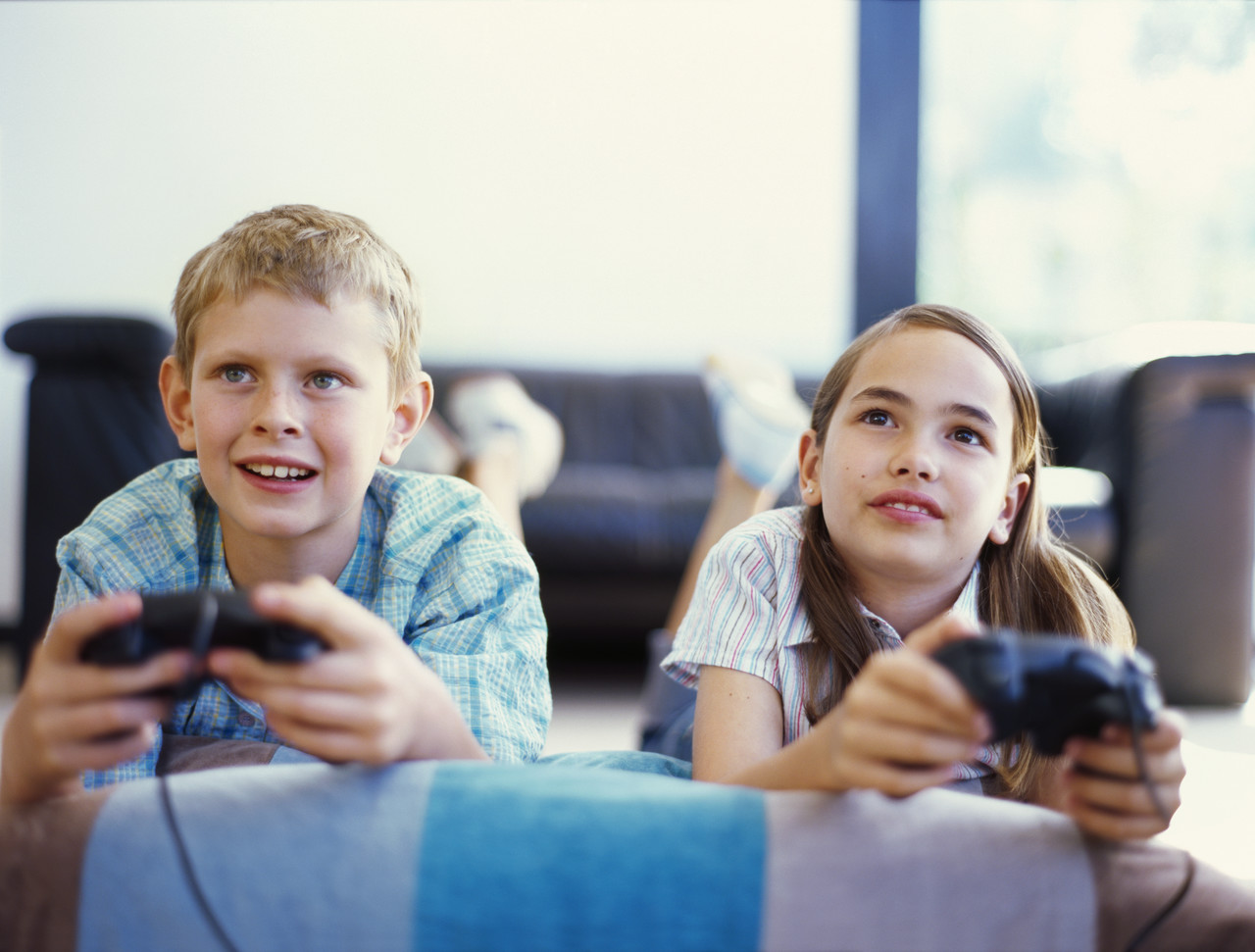
boy and a girl playing video game

My favorites for this age group: 

Play Mobile

More Intricate Doll Houses

Lego that Fits Age and More Advanced Put Together Toys

Cooperative Games

Creative Art Materials

Books and Magazines of Interest  ( I love Ranger Rick)

Physical or Sports Items – Bikes, Balls for Different Sports, etc.

Items of Specific Interest for the Child that are Healthy

Teens:

I feel this is a highly individualized age group as to what games and electronic they might like.

This may be sports equipment, art materials, books, games, screen devices or electronic games (that you really feel good about).

Of course, clothes of their choosing and ones you can live with are popular.

Sometimes a gift certificate to their favorite store where they can pick out what fits specifically for them can work well.

I hope this helps in your choosing of toys, games and electronic devices for all the young people in your life.  Best wishes in your endeavors to find the right fit.

Why it Matters What We Give Children at Christmas (Balancing Wants and Family Values )

christmas stockings animated empty

Does it really matter what we give children for Christmas? Your child will probably present you with a list of what he or she wants. There is nothing wrong with that. Many promote a wish list and it can be helpful. We want our children to tell us what they want and what is important to them. You can actually learn a lot about your child from their list.  BUT . . . I think there is more to consider as you select gifts for your children. So hang on for a sleigh ride down toy and game land as we consider all our choices as  parents.

First of all, why does it matter what we give our children? To me it has to do with the messages we send through our giving. Our society does put a heavy focus for children on “What do you want for Christmas?” or “What did you get for Christmas?” So they are a bit set up as we are. But still let us pause as we think through some considerations. It is complex and there is not a specific right or wrong. But by being thoughtful as a parent about this process, you can potentially have an impact on your child on his view of receiving and giving.

  1. CONSIDER as parents what kinds of messages you want to create about Christmas giving and receiving. This is a highly personal and different for people due to religion or culture or family traditions and many will have some definite ideas about this. If you do not, it may be a conversation to have as parents. Creating what makes sense for you and your family is better than what media may tell us it should be. It can be complex in that we want our children to fit in and feel a part of the general culture, so considering a balance can help too.
  2. CONSIDER “the wish list” and how it is gathered and what perimeters as a parent you put in place. One thought is to think about what you are setting up. You can ask a child to make a general wish list of all the things they want for Christmas or you can ask a child to create a list with a number boundary. For example: Let’s make a wish list of 3 things you really want for Christmas. Or what is the one thing you most want for Christmas this year? As children become older or with teens this conversation can include what the family budget can handle. It is a lesson in itself as to living within a budget. This conversation may need to happen even with younger children. If Santa is in the picture it may get a bit more tricky as to how you handle this. You can use the tact of how Santa has lots of children to give to and only some of the wish list items may happen.
  3. CONSIDER how to handle requests that you feel are not good for your children.  This can be hard. We all want our children to be happy and get what they want. BUT, when we see something that feels like it does not portray our family values it is something for us to stop and consider. As parents we are the leaders of our family, so we sometimes have to help children understand why it will not work as a gift. Trying to find out what is the next top things they want can help. Or finding a balance of what you can do in the area of what they are wanting. Maybe they are asking for a DVD of something you feel is not appropriate. Then you can ask for their second favorite DVD. Talking with your children and going past a “NO” can help. Help them know why you don’t think you or Santa can do it.
  4. CONSIDER helping children create a “give list” of what they want to give to others or what the family should give to others. This can create a nice balance of giving and receiving. Having children and teens have an active part in selecting or making things for others may be a perfect fit for those who want to encourage more than “What am I getting for Christmas?” So you have two lists to emphasize the balance of asking for what you want and for giving to others. This can be with others in the family and / or for those in need. This does not have to be an expensive shopping trip. A dollar store trip will do. Or better yet an arts and crafts or cooking time done possibly as a family activity.
  5. CONSIDER what you have learned from your child or teen’s wish list. You may find it uncomfortable that all your child wants is violent video games. Or you may find that your child has a strong interest in X, Y, or Z that you did not know about. You may find a variety or interests or just one solid focus. 
  6. CONSIDER the gift of YOU. That is really what our children need and want. They want to feel that “one on one” attention and focus that we all want and need. Spending enjoyable, personal time with your children will make their hearts sing. So don’t worry too much if your gift budget is low this year. You are the best gift ever!

Note: Next week’s blog will focus on: How to Select Toys, Games and Gifts for Children and Teens.

How Counting Your Blessings Can Lead to More Happiness

Beautiful young woman looking in the mirror

Sometimes we don’t feel so blessed and we don’t feel so happy. We feel down and discouraged at times. We are human. It happens. So what can we do to create more happiness? And does “counting our blessings” really have anything to do with happiness? I think it does. Here is my take on how they interconnect with one another.

THE GAME PLAN FOR  COUNTING YOUR BLESSINGS AND CREATING MORE HAPPINESS:

  • Decide for yourself, “What is a blessing?” You might ponder this a bit, what you consider a blessing. For me a blessing can mean multiple things. A blessing can be something that has in some way furthered what I consider my purpose OR has provided a basic need or a want OR has protected me in some way OR has brought me happiness or joy in some way  OR has been what I call a “good” or positive thing and more. Basically all the “GOOD” stuff that happens to us. That said, at times I know sometimes what we think is a negative thing or a closing of a door can in the end be a blessing or a good thing. 
  •  Actively be on the “look out” for the blessings you have in your life. Your blessings come in all sizes. And they all count! Sometimes it may feel like the smaller ones don’t count as much, but they do. Those little blessings accumulate and add up to make a true difference. So let what you call “little blessings” count. Actively look for them each and every day. Of course, you want to look for those medium and large blessings as well.
  • Every time you acknowledge your blessings, you activate more of them. It gives you a sense of hope when you are having a hard time and you notice the small blessings in your life. As you begin to notice them, you will find they start appearing and coming up more often. We attract what we focus on.
  • Talk about your blessings. Talk those blessings up. Tell your husband, your children, your friends, your co-workers and anyone else that you encounter. I am not talking about bragging, but letting others know what you appreciate about what is going on in your life. You may inspire others along the way to re-look at how they view life.
  • Be thankful for your blessings and express gratitude. This may be to a spiritual being or to a person who you feel had a hand in creating these blessing or both or to whatever fits for you. This expression of gratitude helps us to set in motion feelings of well-being or happiness.
  • Focus on your blessings and see your happiness grow! When we focus on what is good going on in our life – the little, the medium and big things, happiness finds us. It is a lovely circle we can create.

So count your blessings. You will be glad you did!


What is Emotionally Focused Therapy for Couples?

couple doing tango

How we move with our partners creates a very special relationship dance. Sometimes this dance is healthy, with a secure attachment. And other times not so much.  Emotionally Focused Therapy for Couples helps partners to hear the music (or emotion) and follow each other’s moves with exquisite attunement promoting a secure bonding with one another.  Dr. Sue Johnson’s Emotionally Focused Therapy for Couples has a 70-75 % recovery rate and a significant improvement rate of 86- 90%.

I did some training this last week with Dr. Johnson in Tampa, Florida.  EFT is a model used for couples therapy that is backed up by over 25 years of research. This model is a mix of experiential, systemic and attachment theories. I was excited to have the opportunity to do training with this talented  researcher and therapist.

photo.PNG-3

The EFT evidence based interventions are powerful in helping couples to be able to re-establish safe emotional connections. Couples learn how to identify and de-escalate negative circular patterns. This repair is done through bonding, emotionally engaged interactions.

This model of therapy is set up to be done in 8 – 20 sessions. Some circumstances will take a longer course of treatment. But in general this is set up to be a short-term counseling model.

I personally like how this model addresses the core issues for couples and helps them to truly hear each other and address their attachment needs within the relationship. EFT is all about building a strong, safe and loving connection between couples. Dr. Johnson feels “empathic responsiveness” is the essence of EFT.

Below is a 20 minute introduction video presented by Dr. Sue Johnson on Emotionally Focused Therapy for Couples.


Notes:

  • If you want to see a listing of the research studies and summarizes on EFT go to www.iceeft.com.
  • Dr. Sue Johnson’s website is: www:drsuejohnson.com . Her books, dvds, blog, etc are located on this website.
  • Dr. Johnson recommends her book Hold Me Tight for couples to read.

5 Ways to Create Holidays That are Meaningful and Joyful

Family Sledding

Does it matter what we do on the holidays? We all have pretty high expectations for the holidays and many times are disappointed. So why is that? As we scurry and go as fast as we can, we sometimes find it all a bit exhausting and a bit shallow. But we can have the holidays that we want. So what can we do to create holidays that are meaningful and joyful?

1. Decide what you WANT for YOUR HOLIDAY.  What a wonderful opportunity for you and your family to really talk about what matters to you as a family and what you can do to make it happen. You can call a special family meeting and ask for everyone’s opinion and try to really incorporate as many ideas as possible. It may be up to you as parents, if you have children, to lead this discussion helping children and adolescents expand their ideas about what Christmas might be about.  Before you lead your discussion with your family, you may want to decide as parents what you think is important and what you feel about the holidays. This can help you be prepared and be able to lead a thoughtful conversation. So what do you want???

2. Now that you know what you want, HOW can you achieve it? One way is to “brainstorm as a family” about how you can create THIS HOLIDAY that you want. Maybe you want to spend time together as a family? So decide as a family what this might look like and schedule it in. Maybe you decide it is about giving to those in need. So you all consider possible ways to do this. Planning together as a family with all involved in some way makes this kind of activity most rewarding. Maybe your family decides you want to be less commercial, so you decide how that would look for your family. Of course, you may have multiple things you want to achieve. It is all about what YOU and your family want and need for the holiday to be meaningful and joyful.

3. Be REALISTIC with your plans. The gist of this I think is we really can not do it all and we will probably have to CHOOSE what is most important to us. That can be hard for all of us. There are so many opportunities and things we can do.  They all pull at us. And it can be hard to say NO, but it really is ok to do so. It can be done respectfully and with appreciation for the offer. I remember one year after Christmas a co-worker telling me, “I am just glad it is all over.” If that is normally how we feel after the holidays, it may be time to re-look at how we are doing the holidays. It is also important for us to distribute the work load of the holidays. I have one relative who has said to me, “I hate the holidays. It is just all too much as I am the one who does it all.” So this is a needed family conversation.  In our home in recent years, my husband buys the guy gifts and I buy the gal gifts. It is a way to distribute the load. Look at your own unique situation and find a way so all can enjoy the holidays.

4. Take a Technology Break. As much as possible think about taking a break from technology and spending that extra time it creates with your loved ones. They will love you for it. This is a gift in itself.  Some possible limits might include: No cell usage during planned holiday events. Taking pics of each other would probably be a more connecting kind of use of technology so this may be an exception to this cell use limit. Video games and like kind of activities would not be considered a holiday activity unless it is done as a family and in a limited kind of way so there is time for other kinds of connecting. Or if this feels too restricting you could consider putting a limit on how much time is spent doing tech kind of activities and when these are ok. Letting children and adolescents know why you are setting these boundaries may help soften this request. Tell your children how much you love them and how you really want to spend one on one time with them during the holiday. You can point out to them that you too are taking a “technology break”.

5. Be flexible and be ready to go with the flow. Let the good come in even when things do not go as planned. Most holidays are not perfect and if we go into them knowing that we may have to be flexible and we may have to be ok with some shifts or changes, it seems to go better. “Choosing to be happy” even when some things go awry can help. Letting the good still come in even when the weather interferes with a planned activity or someone gets sick, etc. allows for joy even when things are not perfect.  Acknowledge and help each other to remember all the good that is going on. Talk about it, This helps to amplify and let it really soak in.

Enjoy this season ahead and remember what is important to you and your family. That is all that really matters. Happy Holidays to you all!

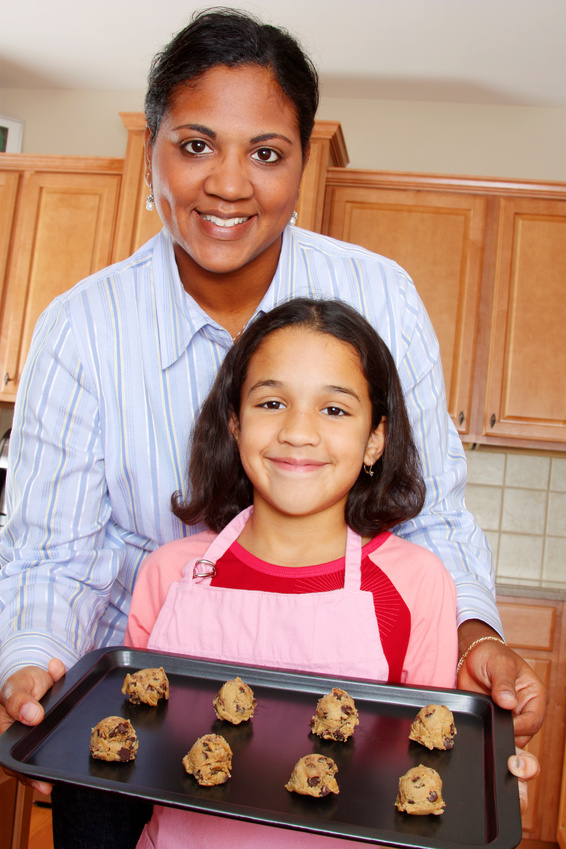
Girl And Mother With Cookies


DATE NIGHTS – Are they really needed? YES, YES, YES

Attractive couple portrait.

Ok, you have been married 5 years or maybe 25 years. Is it really necessary to go to all the trouble to have a date night? I say YES, YES, YES. You may be thinking, but that is for before you get married, when you are getting to know someone better or wooing your sweetheart. Of course it does fit during those times.  But don’t we want to continue to know and understand our partner as they grow and develop? Plus courting behavior will keep your connection strong and vibrant. Let’s look at some more reasons why we may want to consider having DATE NIGHTS.

WHY HAVE A DATE NIGHT?

  1. First of all it is a message we send to each other that we love and want to stay connected with each other. Plus, it shows we value spending one on one time with our partner and that they are worth the effort of planning and executing doing some fun, enjoyable things together.
  2. Our worlds are crazy busy and without planned one on one time, it may not happen. Sometimes I hear the objection of doing a planned activity, voicing that aren’t spontaneous outings better. I do agree spontaneous outings and times together are magical and I think important. But, I also know realistically with heavy work schedules, children’s events, community or church involvement, etc., the chances of the spontaneous outings are harder to come by. They can and still should be a part of dates I think. But if you have a planned, set time you go out together, it is more likely to happen if you are as busy as most couples and families are today. So by all means do both if you can, but for a “sure deal” consider scheduling a weekly date night.
  3. A DATE NIGHT gives you an opportunity to stay connected on a level past “Who is picking up the children?” or “How was your day?” These are important conversations. But to really have time to “be with” each other and converse at a deeper level, a time just for one on one focus of one another is so helpful.
  4. It is a good model for our children. We are teaching our children what to do to stay connected and nurture a relationship. Whatever we present to our children can affect how they will interact as a couple. They may not say, “I am so happy you are going out tonight.” but as they develop their own future relationships they will have learned that this is one of the ways couples care and stay connected with one another. This is how they show their love and commitment.

IMG_3780

BASIC THINGS TO CONSIDER IN REGARD TO DATE NIGHTS

  • First of all, a date night can be a date day or date lunch or date breakfast, etc. They do not have to be at night. Do what works for you.
  • If possible do put in place a regular set time. This will keep you more on track with this kind of structure. On the other hand, if this is not possible then consider planning a month out with times that you know will work in your schedule. Do what you need to do to create this special time. Sometimes it means getting creative. It may be a lunch date at the park during your work day.
  • Find a babysitter you REALLY like and trust if you have children. This will allow you to fully enjoy your date night.
  • Try to schedule enough time to really relax and enjoy yourselves. On the other hand, if you have young children and feel uncomfortable being gone for too long, then take the time you do feel comfortable with and enjoy it.
  • Planning for your date night can be done in a couple different ways. 1. You can do a joint, collaborative planning. 2. You can take turns planning them. 3. Or a mix of the previous suggestions. You can talk about it and see what fits you as a couple. One of the keys is trying to incorporate things you both enjoy doing. This can be things you both enjoy doing or it can be a taking turns in some kind of fashion as to including individual interests. Of course if one of you really hates doing a particular something, it may or may not be something you put on the date night list
  • Think outside of the “dinner and a movie” box. This is not to say that you may not enjoy this and want to do this. Sometimes it is a relaxing, comfort date. This is just a suggestion to consider broadening your activity palette. This keeps things lively and fun. You might brainstorm together every so often, a list of things you might like to do together. You can keep this list handy as you schedule in your date nights.
  • Consider using your date night to develop some new joint interests. This might be cooking classes or hiking or biking, etc.
  • Make it a TECHNOLOGY  or SCREEN FREE date night. Basically, this would be choosing not to engage in using cell phones or other technology devices while you are on your date. This would include no texting. The problem is that when we are on our phone or texting, etc,  we are not really present or there for our partner. And that is really the purpose of a date night. So screened devices and being on a date are a bit at odds with each other. There are exceptions. Some folks have jobs in which they are on call and have no choice. If this can be kept to the minimum this can help.
  • If you cannot do your date night, if at all possible reschedule for another day or night that week. This keeps the commitment to each other to have this time together on a regular basis.

Date, Play, Enjoy this wonderful life together. ♥♥

Win – Win Strategies for Halloween Candy and the Health Oriented Family

halloween trick or treat mouse animated with big bucket of candy

Do you want your children to have Halloween fun but not completely over dose on candy? Many parents today try to encourage healthy eating but allow for special treats. But Halloween creates a dilemma as it such a large amount of candy that children bring back home. We don’t want children to feel left out, but at the same time we want to encourage a more heathy lifestyle. I am not suggesting children not trick or treat if this is something they want to do. In our culture it is hard to not celebrate and not feel left out. Even though some folks do Halloween Parties or Events instead. There are more alternatives today than in the past. Many times it is finding a balance to this dilemma. And, in addition, finding out how our children feel about Halloween and what parts are most important to them.

If you do traditional trick or treating, here are some strategies that may help to keep it a bit more balanced.

  • Limit the number of houses you go to opposed to the trick or treat til you drop mode. The younger your children the easier it will be to use this strategy. With very young ones you may even go only to homes you know.
  • After you have come back home with the “loot”, you could consider some of the following ways to balance the scales of health and having some special treats. 
  1. “Switch the Witch” is a strategy that I read about in an article done by Jennifer Tyler Lee, creator of Crunch a Color: Healthy Eating Games. The basic premise was to switch out candy for a special non candy treat. The “trading treats” strategy is one that I have personally used and found successful when my children were young. If you wanted to use the “Switch the Witch” theme, you might consider using a Halloween witch hat and filling it with inexpensive items for the trading post. Or it could be a pumpkin container or whatever you would like to use for your trading post. You could also have slips of paper / vouchers for things for a certain amount of candy.
  2. Another strategy is creating a Candy Bank and trading a small amount of money for each piece of candy from your child.
  3. Creating a Halloween House (similar to a gingerbread house) with some of the candy could be fun.  This is another strategy shared by Jennifer Tyler Lee. This could be in combination with some of the above ideas
  4. With candy that is kept you can put a limit on how much candy they are allowed each day. You might consider asking your child how much they feel would be healthy for them to have each day. When we include children in setting up a limit, it easier for them to comply and be cooperative.

halloween trick or treaters animated

With all of these strategies giving your child a choice is of course important. They may choose to keep some candy and trade other pieces. This will give you a bit of the balance you are hoping for.

In ending, I might note that I have personally found children really very much enjoy the non candy treats. I think there is so much candy that these non candy treats are novel and fun for them. My Halloween treats for Halloween visitors usually  include:  plastic creepy crawler insects (snakes, spiders, etc), fun pencils, mini containers of play dough, etc. They spend much time deciding which they want.

Happy Halloween to you all!


Six Ways to Create More Romance in Your Relationship

wb051306

Want to create more romance in your relationship? We start out with romance in our relationship. We court and woo each other. We find ways to make the other know they are special to us. We are really there for our loved one, physically and emotionally. Romance is hard to define as it will very well mean something a bit different for each of us. But in general, romance is about a focus and intensity of “I love you and want to make you happy and really be with you.”

Do we need romance in our relationships. I say “YES”. We all want to feel special and want to feel we are not taken for granted and that our loved one cares enough for us to plan and do spontaneously romantic gestures. So let’s look at what we can do to create more romance in our relationships. Below are some things to consider.

  1. Deciding What is Romantic for Your Loved One – Romance can mean different things to different people. So it is important to know what your sweetheart sees as romantic. It may not feel “romantic” to talk about it, but if we really do not know, it is good to ask our loved one what feels romantic to them. This will generate warm feelings in itself because it shows you care and you want to give your spouse or significant other the romance they deserve. You can simply say, “I want to put more romance in our relationship. What feels romantic to you? I want to try to be more romantic for you.”
  2. Making Time for Romance – We are all busy. Sometimes crazy busy. But there are still ways to make time for romance. Yes, flying to an exotic island retreat is romantic, but so is picking some roses from your flower garden and giving them to your wife with a simple “I love you.”  I know we have all heard the expression “You make time for the things that are important to you.” And this is the case here as well.  If need be schedule it in.  Do what works for you.
  3. Taking Advantage of Romantic Opportunities – Let’s look at some opportunities to be romantic. Note: These are general in nature. And as mentioned earlier we are all unique in what specifically feels romantic to us. Some possibilities: * Using the Ever Present Power of Touch – Giving a hello and goodbye kiss and hug; Holding hands as you watch a movie together (this includes at home); If you are a guy opening the door for your gal (yes it is a bit old-fashioned, but most women still like this and if not you stop); Sitting by your loved one as you watch the news together;     * A night-time walk outside together can be fun and romantic – looking at the stars, etc.   * Planning for a weekly date night     * Remembering all important anniversaries, birthdays, etc and planning a special time together      * Making breakfast in bed for your spouse or partner; A little gift for no reason at all; and so much more.   Check it out and find out what is romantic for YOUR loved one.
  4. Being Spontaneous with Your Romantic Gestures – Being spontaneously romantic may or may not come naturally to you. But the more you can flow with what presents itself the more opportunities you will find to show your sweetheart how much you love them. For example: A spontaneous hug for no reason at all can feel very romantic.  You seeing your wife overwhelmed and you volunteering to ________________ (whatever it is), even though it is not your turn. A last-minute get away as you are both fried and need some time to re-coop and relax. Doing something with your loved one that you know they love to do that you may not be wild about, but you do it anyway as you know they enjoy it so much. A spontaneous love note you leave in your husband’s billfold. A “I love you and was just thinking of you” text. A special treat you leave in the seat of your loved one’s vehicle. 
  5. Doing our Part in Creating Romance  – If you want more romance in your relationship, one way to help this along is to be more romantic yourself. Many times when we initiate good things we will get them in return.
  6. Thanking our Loved One When They are Romantic and Seeing These Romantic Gestures Grow – When our significant other or spouse does a romantic gesture we can thank them or tell them how it makes us feel. This will increase the chances of seeing this happen again. Be as diligent as a detective in looking for these romantic gestures and bringing them to light attracts more of this kind of interaction. For example: Your wife gives you a spontaneous hug, You might say something like: “I needed that. Thanks.”

couple eating out by candle light clip art

As so many other things it is all about our focus and intent. If we choose we can do this so important relationship building piece. Here is to lots of romance in your relationship. 

How to Let Go and Be Happy

sad girl with hand on face clip art

Are you wanting to let go, but find it hard? Holding on and being stuck in our upset can cause much unhappiness. Learning to “let go” and “be happy” is easier than we may think. So what does it mean to let go?  Here is a summary of my take on what it means to let go and make room for happiness to come into your life.

First of all what letting go is not about. It is not about letting others be abusive or treat us badly and decide it is ok.  It is not about letting a situation continue that is unhealthy.

Letting go is about – CHOOSING to let something not be the “focus”and move on to a different place, CHOOSING to let in the good, CHOOSING to be happy, CHOOSING to live in the now.  It is about focusing on OUR response. 

 happy couple looking at each other on a lawn clip art

What do we need to do to get to the place where we can feel we are ready to let something go? Here are a few things to consider as you think about incorporating more “letting go” into your life.

  1. First of all, acknowledge and give honor to your upset feelings. Your feelings are important and your guide posts as to helping you know what needs to be addressed and possibly not addressed. Regardless, how you feel is important. You have a right to your feelings, all of them.
  2. Consider what you are upset about. Is it worth your time and energy to carry it with you? Our upsets can be put on a very wide continuum. For example: A store clerk is rude. Traffic is extra tough and you get home 15 minutes later than normal. Someone does not agree with your idea in a meeting. Your husband forgets to tell you about a change in plans. Your child does not study for a test and gets a bad grade. Your cat throws up on your carpet. Most of the household chores are being done by you and you are not happy about it. All work and no play. Your partner is depressed and not responsive. You need more connection with your spouse or significant other. The doctor’s appointment does not go well and you have a serious diagnosis. Your mom dies and you are devastated. So, yes we  have a spectrum of what may be upsetting us.
  3. Are the small irritations and disappointments worth our time and focus? Probably not. We can acknowledge our feelings and decide to let it go. If it increases as a problem, we can choose to do something different. If your upset is moderate to big, we will have some additional steps to work through.
  4.   Larger upsets may require some action on our part. CHOOSING what to do after some thoughtful consideration is a part of this plan. Here are some possible things to consider.
  • Would it help to talk to someone? A neutral or supportive party? Or the person who is involved in the upset?
  • Simply talking about our feelings and acknowledging them helps to begin to lessen the power of these feelings. The intensity of how we feel can lesson and we can begin to see more clearly. 1) If you are choosing to talk with a supportive friend, consider one who is more of a listener opposed to telling you what to do.  2) If you choose to talk with the person who is involved in the upset, then try to do it when you are not in a high reactive state, but one on in which you feel you can talk in a low, calm thoughtful way as much as possible with a respectful tone. This will help to create an atmosphere in which the other person will be able to hear you without becoming defensive and be able to respond in a thoughtful way.
  • Deciding what you need to feel better and taking action to make that happen. If this involves another then it may mean exploring ideas that will work for both of you. This may be a process, but just beginning this interaction will take you where you want to go. It may mean letting go of rigid ideas of what has to happen to make it better. Seeing both sides and coming to a point that peace and what you both can live with may be the answer. This said, there may be some things that do not have a middle ground. For example a third-party involvement in a relationship or an ongoing drug or alcohol issue.  A decisive stance or action on your part my be part of what is needed. If this is an individual issue, it may involve deciding what is best for you and then moving toward this action.
  • Forgiveness may be a part of the plan. This is a letting go process and one that is not always simple. But it is attainable. Forgiveness is not saying you are ok with a betrayal or a hurtful interaction, etc. It is about choosing to come to a place of letting it go to let the good come back in. And beginning the process of re-building and healing.
  • Shift to a happier place. Begin to focus on what makes you feel happy. You can build on this, creating more of what you want in your life.

We all have to decide how much power we want something to have over us. Sometimes we may need to have a time of grief, especially with a significant loss. This is normal and part of what we may need. At some point with small or large things we can come to a point of deciding if we are ready to let go or at least partially let go and let the good stuff back into our life.  Happiness and joy is something we all deserve. We have the power to create the life we want.