Helping Your Child Have the Best School Year Ever

schoolbus

It’s a new school year. A new fresh beginning. We all want our children to do well, to excel, make good grades, have friends . . .  It’s a common parent feeling. Standards seem to be higher and higher each year as to what schools expect of children. Sometimes the environments are great and very conducive to learning and sometimes not so much. Maybe your child has lots of friends or maybe not. That changes from time to time,right? So what can you as a parent do to help your child with this new year ahead?

Helping Your Child Have the Best School Year Ever

  1. Be your child’s SUPPORT person. Your child needs someone in his or her corner, someone who is there to really hear about his or her feelings and be a support in finding ways to address their problems. It is a crucial role we play as parents. Yes we want our children to be independent and learn to solve their problems on their own, but they need a solid home base too. You can be that touchstone for your child. You are most equipped for this role as you know him or her better than anyone else.
  2. Remember that basic social / emotional needs will play a huge factor in academic success and happiness at school. A child must feel connected and have a sense of belonging to do well in school or at least to enjoy and see school as a place he wants to go to.  There are many children I see in my practice that have difficulty with connecting and having a social network at school.  This is a huge stress for a child.  So what can you do? This will of course depend on the age of your child. But in general always encouraging your child or teen to invite other children or teens to visit outside of school can help. This can be in your home or a planned outing at a park or at the movies, etc. It is hard in our crazy busy lives that we lead, but so important for your child or teen to connect with others. If your child is younger you can ask the teacher who seems to be friendly with your child and who they think might be open to a play date. You might also consider hosting a class party at your home. This is a great way for your child  to be seen in a positive light.  In addition, you might consider encouraging your child or teen to take part in an after school activity of his or her interest. This can help in connecting with others who have a common interest.
  3.  Address any issues that appear to have to do with your child feeling safe. This is critical to being able to be successful at school – socially and academically.  If you have any concerns about your child being bullied, do visit with your child’s teacher or the principal. Teach your child know how to deal with this kind of behavior. And if need be enlist the help of a good child therapist.
  4.  Help your child get organized early in the year. This can be done in a joint, collaborative kind of way. When children are involved in setting up a plan they are so much more likely to keep it in place and be intrinsically motivated to follow through.
  5.  Have a weekly check ins with your child as to how things are going.  This can be a simple conversation about how things are going – what is happening that is good and what is happening that your child needs help with. It can also be a time to talk about feedback from teachers – the positive and the negatives both.
  6. Encourage and acknowledge all steps of progress and accomplishment. This is one of the biggest things we can do. We all need encouragement and acknowledging of the “good stuff” that is going on. You might consider doing notes to your child as to what you see that is going on that is positive. Written words have some special power that you don’t have with verbal.
  7. Get extra help early when it is needed. The most discouraging thing is trying to pull grades up when you are in the 3rd quarter. Doing this early on can save a lot of upset. Tutors are nothing to feel ashamed about. We all have our strengths and weaknesses. Sometimes another person can be just what is needed. Some schools have peer tutoring, or after school tutoring programs. And of course one can always hire a college student or a professional tutor. Another source is the Khan Academy. This is a not-for-profit, free web-based tutoring program. This would be mainly for older children who do not need a more concrete approach. But I did notice when I checked it out that they do have math tutorials for children K-12. So check it out if you have an older child or teen. If you do use a tutor for your child, it is well worth the effort to find a good match for your child’s learning style and personality.
  8.  Tell your child you love him regardless of what grades he makes. This can take a bit of the pressure of. I am not suggesting that you as a parent do not have family standards that you ask your child to strive for. Let your child know that you love them and that you want them to love to learn and be able to do what they want to do when they grow up or graduate.
  9.  If your child’s teacher is not a fit for them and it seems to be having a negative affect on them consider asking for a transfer. This is a very hard decision and one that has pros and cons involved. Some parents feel their child should learn to adapt to whatever environment they are put into. This may work if the issues are not huge for your child with this teacher. If your child is falling apart due to verbally abusive behavior by a teacher this may not be as much of an option. If it is about weighing it all out and really looking at what your child needs.


boy on stack of books

Note: You will need to consider your child’s age with all of these ideas and adapt them to be age appropriate.

Your child needs you. You are one of the biggest contributors toward whether your child will be successful in school. So high fives to all you moms and dads out there trying to “be there” for your child. You are making a real difference!


3 Ways To Stay Emotionally Connected

couple biking (2)You want to feel connected. You want to feel like you are being heard and that your loved one is there for you. There are actions that you can incorporate within your relationship to nurture  that emotional connection that you so want.  You can silence the “alarm bells” that ring within your brain’s amygdala when you are feeling distant from your spouse or partner.

In Dr. Sue Johnson’s book, HOLD ME TIGHT – Seven Conversations for a Life Time of Love, she talks about 3 Keys to Emotional Connection that are needed for love to sustain. They are as follows:

A = Accessibility    This is about  you being there for each other. This would be physically and emotionally. It means being willing to be open and share your feelings . You share and listen on a deeper level with one another.

R = Responsiveness     You respond to your partner or spouse’s signals that they need you. When there is a fight or disagreement you make it clear you want to resolve the issue. You are there when your partner or spouse is feeling anxious.  You create a feeling of safety with each other.

E = Engagement    You are emotionally engaged with each other in a positive way. You feel safe enough with each other to talk about anything. You care about each other’s feelings and well-being. There is a sense of connection even when you are not physically with each other.

Dr. Johnson calls this A.R.E. Quoting Johnson, she says you can remember this with the simple phrase, “Are you there, are you with me?”

 Dr. Johnson is a clinical psychologist and researcher and is the founder of Emotionally Focused Couple Therapy. I have found her research and work immensely helpful in my work as a therapist. She has 30 years of research under her belt and has been focused and adult love attachments and how to repair breaks in love relationships. Her book HOLD ME TIGHT is intended for the public and is excellent.

I wish you the best in finding ways to be emotionally connected to your loved one.

Why Do Couples Feel Emotional Disconnection?

broken heart walking

Why do we feel emotional disconnection with our spouse or partner? Dr. Sue Johnson, the creator of Emotionally Focused Couple Therapy feels that when a couple does not feel emotionally safe with each other, they begin to feel emotional disconnection. She asserts that most fights are really about feeling emotionally disconnected.

Attachment theory suggests that when our loved ones are  unavailable or unresponsive to us this can activate an automatic primal fear response.  When we lose connection with our loved one our alarm bells begin to ring in our brain’s amygdala. Our sense of security feels threatened.  The need for safe, emotional connection is wired into our brains.  How severe this may feel and affect us has to do with if this is a temporary disconnect or one that is an ongoing disconnect that has weakened the couple’s bond.

When we feel disconnected with our loved one, Johnson talks about how this can turn into a “primal panic” in which a couple tends to do either of the following:

  1. Become demanding or clingy trying to get reassurance and comfort from their loved one. The message is “I need you. Be with me.”
  2. Detach and withdraw in a move to protect and comfort ourselves.  The message is “I will protect myself. I won’t let you hurt me. I will stay in control.”

These are unconscious in nature. They may appear to work initially, but will eventually become a loop of insecurity within the couple.

The problem is two-fold in that many times we are not tuned into our partner and secondly we are not always clear about communicating our needs to each other.  When we feel disconnected we may begin to demand and this only creates power struggles and withdrawal by our partner.

As couples feel disconnected for longer periods of time they will find their interactions more and more negative.

There are three major damaging patterns that couples can fall into. Dr. Sue Johnson calls these the “Demon Dialogues”.

  • The Protest Polka – These are called Attack – Withdraw or Demand – Distance.  Another name often used is Pursuer – Distancer.  Both are protesting the disconnection.
  • Find the Bad Guy – Both partners attacking and blaming with self-protection being the theme.
  • Freeze and Flee – The dance is silent with this pattern.  The couple is frozen and in denial. With detachment comes leaving. There is a sense of hopelessness.

These are all about attachment panic. Our emotional safety is at risk. These are automatic patterns to try to reconnect.

I will address in next week’s blog more of Dr. Sue Johnson’s work. I will focus on the special kinds of emotional responses that can help with the “Demon Dialogues” talked about in this week’s blog article.

Source:  HOLD ME TIGHT – Seven Conversations for a Lifetime of Love by Dr. Sue Johnson. Her website is: www.drsuejohnson.com

Check out this video from Dr. Johnson on her introductory ideas on love and attachment.

http://www.youtube.com/watch?v=DvgqC0og83s

How to Make a Bully from Scratch

make-a-bully

How does a bully develop? And can we predict what kinds of things will lead to the making of a bully? From my perspective as a therapist, this begins early on and is all about basic emotional needs not being met and is a relationship based issue. It is all about LOVE and CONNECTION.  I do think we can prevent and work with children and adolescents on these issues. It takes all of us to help with this growing problem.

In preparing for a training of some therapist recently, I ran across a video put out by Conscious Discipline that is titled: How to Make a Bully from Scratch. I am sharing that video here in my blog because I think it is excellent and shows the progression from very early on as to how a bully can develop. It not only shows how a bully develops, but also how a victim develops. It is about 10 minutes in length. And it well worth a 10 minute break to watch it.

Dr. Becky Bailey’s video HOW to Make A BULLY FROM SCRATCH shares 5 signs that show the bully and victim’s progression.

  1. 0-3 Years Old     Difficult Temperament 
  2. 3-5 Years Old   Difficulty Playing With Others
  3. 5-8 Years Old     Difficulty with Relationships
  4. 8-12 Years  Old   Exclusion and “I Don’t Care” Language
  5. Teenage Years    Brain Empathy System is Offline

http://www.youtube.com/watch?v=tzftHNh7xP8

You may want to check out Conscious Discipline’s  website www.consciousdiscipline.com as they have great resources on helping children develop self-regulation and social skills. It has resources for parents, teachers and mental health specialists.

So let’s all remember every time we make a child feel loved and connected we are actively preventing the making of a bully or a victim. Let me know what you think about this video.


Rebuilding Your Empty Nest

empty bird next

Is it time to rebuild your nest? Are you an empty nester? You may be thinking am I an empty nester and does that really ever happen. Yes and no. You will always have a spot for your babies to come back and roost for a bit if they need to and you will still have your kiddos in your life. But as your children start to leave for college you are in the process of your nest emptying. AND this is the time where new possibilities begin to open and appear for you as a couple.

REBUILDING YOUR EMPTY NEST

  1. Support One Another – This is a time to reflect and decide what you need as a couple at this point in time. Going through this process  can feel painful for some folks and you may go through a bit of a grieving process. So you really have to be there for each other. You may each handle it in a different way.
  2. Give Yourselves a Pat on the Back for Your Years of Active Parenting – This is not to say you will no longer be a parent. You will enter a different phase of parenting and there will be a transition as your children leave college, as they marry, as they have children, etc, etc. But do take time to congratulate yourself on all you did to raise your children. It is not always an easy job and recognizing and giving yourself credit for what you did is important.
  3. Create New Goals for Yourself as a Couple and as an Individual – As your responsibilities for active parenting of children in the home has ended, you will find you have this lovely space to create new goals and to redefine possibly what you feel your purpose in life is. This is true for you as a couple and as an individual. This can help with your grieving process of transitioning from a certain stage of parenting.
  4. Have Fun, Love life and Enjoy Your Freedom – You do not have a soccer game you have to attend. You do not have to take the kids to practice. You do not have to be in three places at once. You are free. You have more time to be with each other as a couple and more time to pursue individual interests. It is a wonderful time to re-connect and start dating and getting to know each other again. To travel a bit. Or to take up yoga. Or whatever it is you have held off on.
  5. Remember You Will Always Be a Parent – It will just shift as to your role. So do not despair. It is never really over. But it does change. But that is ok, you are ready for a new adventure!

middle age couple

So grieve if you need to. Talk about your feelings with each other. But remember you have new wonderful opportunities ahead of you. So enjoy!

Random Acts of Kindness in Your Relationship = Loving Feelings & Connection

couple cooking

There are expected acts of kindness in all relationships and then there are random acts of kindness in your relationship. The latter is when you choose to do something that is kind or supportive or loving that is not expected or part of the agreement that you have with one another, whether it be a spoken agreement or one that is unspoken. Random Acts of Kindness in your relationship equals Love in Action.

When you actively do something that is kind or supportive or nurturing that is not expected in your relationship, you are creating exquisite connections with your loved one. How can you not feel connected and loved when your partner is going above and beyond what is expected.

Even though these acts of kindness should be done ideally to show our love to our loved one, it may help to know there are big benefits for you also. Here are a few of them.

guy washing a car

  • People who partake in giving acts of kindness are happier. It feels good to do something kind for others. It is important to note that the Act of Kindness should be something you want to do, not feel you are being forced to do or hate to do. They should be genuine, authentic acts of kindness with nothing expected in return.
  • Research shows that folks who do Random Acts of Kindness  are less stressed and have stronger immune systems.
  • These acts improve your self-esteem, how you view your self.
  • And as to your relationship, it will create positive, loving feelings that will circulate throughout your relationship creating love and connection. 
  • You may find these “Random Acts of Kindness” are contagious. You too may have a “Random Act of Kindness” passed on to you, with you being the recipient. 

woman racking leaves

It is not always easy to send these “Random Acts of Kindness” out. We are busy, we are tired, we may feel we need a Random Act of Kindness to come our way. And there are times when it does not make sense to send these out. But when we can and it feels the right thing to do and we want to, it can create some very loving feelings. The love and connection and support it creates is the stuff a good relationship is build on.

For those of you who like concrete examples, here is one taken from my own personal life.  My husband went to bed early as he was exhausted from traveling and had to be up early the next day to do more traveling. As my morning did not need to start quite as early and I was feeling good due to a less intense day, I decided to put my husband’s green smoothie together for him as I knew it would be hard for him to do in the am having to leave early. Plus the truth is I am a bit of a night owl. So instead of indulging in some reading, I made my husband a smoothie to help him out with his early departure. Thus my Random Act of Kindness.

Here are a few potential ones to consider. But you will have your own unique ones that are a perfect fit for your loved one.

  • Take over a chore that is normally one assigned to your spouse or partner that you know is going to be very difficult for them to do.
  • Do a text letting them know you are thinking of them and that you love them.
  • Leave a surprise on the seat of their car to surprise them – it could be a gift or a snack or love note, etc.
  • Encourage your exhausted spouse to go to bed, even though you really want to talk with them.
  • Bring home flowers or something you know will be a happy surprise for your sweetie. 

I encourage you to try some Random Acts of Kindness out in your relationship. I think you will be glad you did. And if by chance you are the recipient of an Act of Random Kindness by your loved one, do reciprocate this act back to your dear loved one. And by all means tell them how you felt when this act of kindness of bestowed upon you. This will encourage you both to create a wonderful dance of random acts of kindness.


Gilcrease Museum an OK Treasure – Summer 2014 Activities

IMG_3453

 Summer is an excellent time to go visit Gilcrease Museum. The 23 acres of themed gardens is lovely right now. And Gilcrease is in full swing with lots of planned summer activities for children, families and adults. Check out the Gilcrease calendar at gilcrease.utulsa.edu/calendar . You will find some FREE activities, such as The First Tuesday of the Month is free admission and there is a Free Funday Sunday on the 3rd Sunday of the Month. This fun day is set up for families. In addition you will find art camps for children and adult events as well. You will also find a dining facility that is open 11:00 – 3:00.  There is a lovely view of the Osage Hills.

IMG_3470


Gilcrease Museum has the world’s largest collection of American Art and History. The American West and Native America art is the focus for this museum that is visited by folks from around the world. Admission is $8. for adults, $5. for college students with id and 18 and under are FREE. Gilcrease is open 10-5, Tuesday – Sunday. 

Gilcrease Museum

1400 North Gilcrease Museum Rd

(10 minutes from downtown Tulsa)

Tulsa, OK

918-596-2700

I spent part of Father’s Day at Gilcrease and was delighted with the two exhibits we focused on. I would suggest both of these to check out.

  • Chiricahua Apache Artist Allen Houser exhibit showcases his sculptures and drawings. I absolutely loved his exquisite sculptures. My particular favorites were the  parent child sculptures which were powerful and absolutely beautiful. This exhibits ends on June 29. It would be well worth the time to go visit this exhibit.
  • Focus on Favorites – Masterworks for the Gilcrease Collection. If you have limited time this is a wonderful way to see all some of the most famous pieces of the Gilcrease Collection.

Check out their website for information on all of their exhibits and upcoming events. www.gilcrease.utulsa.edu

IMG_3502


I hope you will consider to put Gilcrease in your summer plans. It is a wonderful way to spend time with your loved ones, connecting with wonderful works of art. This would make a great couple activity or family activity. So do take advantage of this Oklahoma treasure.

5 Ways YOUR Happiness Can Create a Better Relationship

mindful peaceful woman in sunshine

Can your happiness and personal growth lead to a better relationship? I say YES! It may feel these two things do not always mesh. But they can and do. So how can our happiness create a better relationship? Here are 5 ways your happiness and feelings of well-being can lead to a better relationship.

  1. Being happy and filled with our own purpose sets a foundation for creating a happy relationship. If we are not happy and feel we are not in touch with own purpose for this life it is hard to create a deep intimate relationship with another. To be able to create a harmonious and synergistic relationship with another we first must feel good about ourself and what we are here to do. Then we can create a strong relationship.
  2. Happiness is contagious. Your happiness and feeling of well-being will spread to those around you.
  3. Coming from a place of happiness will allow for more good feelings about your loved ones.  When you are happy you feel more empathy and love for those around you. Many of our wisdom leaders talk about how we must first love our selves to really love others.
  4. You will have more to share with your partner. More stimulating conversations. Different interactions. This can create a space for growth and a new kind of connection.
  5. Being happy and filled with your own purpose allows you to take some pressure off the relationship. Yes your relationship should make you feel happy and joyful, but it should not be your only source of feeling good.

Consider taking time as a couple to work on personal growth and development. It may mean reading an inspirational book together and having conversation as to how this impacted you and your views of personal growth or happiness. Or it could be attending church together or developing a spiritual practice together. Or it could mean finding things that brings happiness and joy to you both. Or it could be that you find something you both feel passionate about that you can share.

change yourself change the world

I had a personal experience this last week in which I took some time with my husband to attend a personal growth conference. It felt so wonderful to hear new ideas and talk about those ideas together. It was a challenging time to get away but we did it and we were glad we did.

So here is to learning more about self-care and how you fit in this wonderful world we live in. Weather you do this on your own or with your loved one,  it is well worth your time and effort. Personal growth and happiness can help create the foundation for a rich and rewarding relationship.


Storytime in the Park – Tulsa’s Library Schedule for June 2014

Storytime in the Park

Being involved in the Storytime in the Park program put on by the Tulsa City County Library is a wonderful way to spend time with your child this summer.This is the Reading Roadshow with stories, songs and special programs for the community. This is free to the public. The schedule for June is listed below. For more information, contact www.TulsaLibrary.org.

THURSDAYS at 10:00 am

Quick Trip Plaza at River Parks

41st and Riverside


GUEST PERFORMANCES

June 5     Musician and Dance with Andres Salguero

June 12     Lucky Diaz & The Family Jam Band

June 19     American Indian Dances & Storytelling with Mike and Lisa Pathsetopah

June 26     Vaudeville Magic Show with Chris Capstone

Please note that a Mobile Library will be on site with approximately 1000 items for all ages. 


Not sure on the weather, call 918-549-7323. If you live in another community, check out your Library’s programs for the summer.

The Library tends to create lots of fun programs for children in the summer. Many of these programs will involve you as the parent. So enjoy this fun, educational time with your child. Isn’t it great to be able to combine fun, relationship building and something educational. Yes indeed! So bring your blanket or lawn chair and join in the fun.

Using Summer Time Fun to Enhance Your Relationship with Your Child

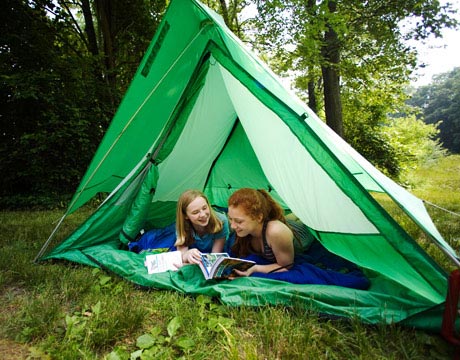
4-nwf-backyard-campout-lg

 Want to have fun this summer with your child or children and build a stronger relationship? Summer offers so many opportunities for relationship building. Children typically do not have as many commitments. The hard part is that parents sometimes have the same work schedules and commitments. But do not despair. The longer sunlit days help us with less after school practices and homework, etc.

Here are some things to consider when finding ways to really “be with” your child and strengthen your relationship during these delightful summer time months.

  •  Use this wonderful time to expand your activities to include things that are considered summer activities. Make a commitment to do this. You will find that enjoying the extra sunlight and time outside is good for you to on a personal level too. Out there collecting all that Vitamin D (the happy vitamin) and enjoying the wonderful outdoors is a nice backdrop.
  • Create a structured time when you plan to take advantage of this beautiful gift of summer. This may mean you do a daily game of catch in the backyard or a every Tuesday night we go to the park night, etc. If it is scheduled or a regular commitment you have made it is so much more likely to happen.
  • Really talk with your child or children about what they enjoy doing in the summer time and incorporate as much of that as possible. Sometimes we think we know what our children want to do, but sometimes this changes and shifts as they age or grow new interests, etc. So ask. They will be so happy that you did. It also shows a deep respect for them as young people with their own unique preferences. And it shows you care and that you value their desires. This is not to say that if what they want to do does not fit with your value system that you need to do it. But it may be that you can find some similar things that would work for the both of you.
  • Really “BE THERE” during these special times together. It means putting all our electronic devices in the OFF position and really focusing on this special time you have been given to spend with your child. It also means that you ask your children if they are older and have electronic devices that they put their’s in the OFF position also. There may be a bit of grumbling. But when you tell them this is a special time and you really want to spend it with them they can get that and if not they will at some point.
  • Enjoy, listen, interact. Have fun! It is not so much what you have chosen to do, but more about your attentive interaction.

So have a great summer with lots of time to play and be with each other. You will be glad you did!