How to Choose Toys, Games and Electronic Devices for Children

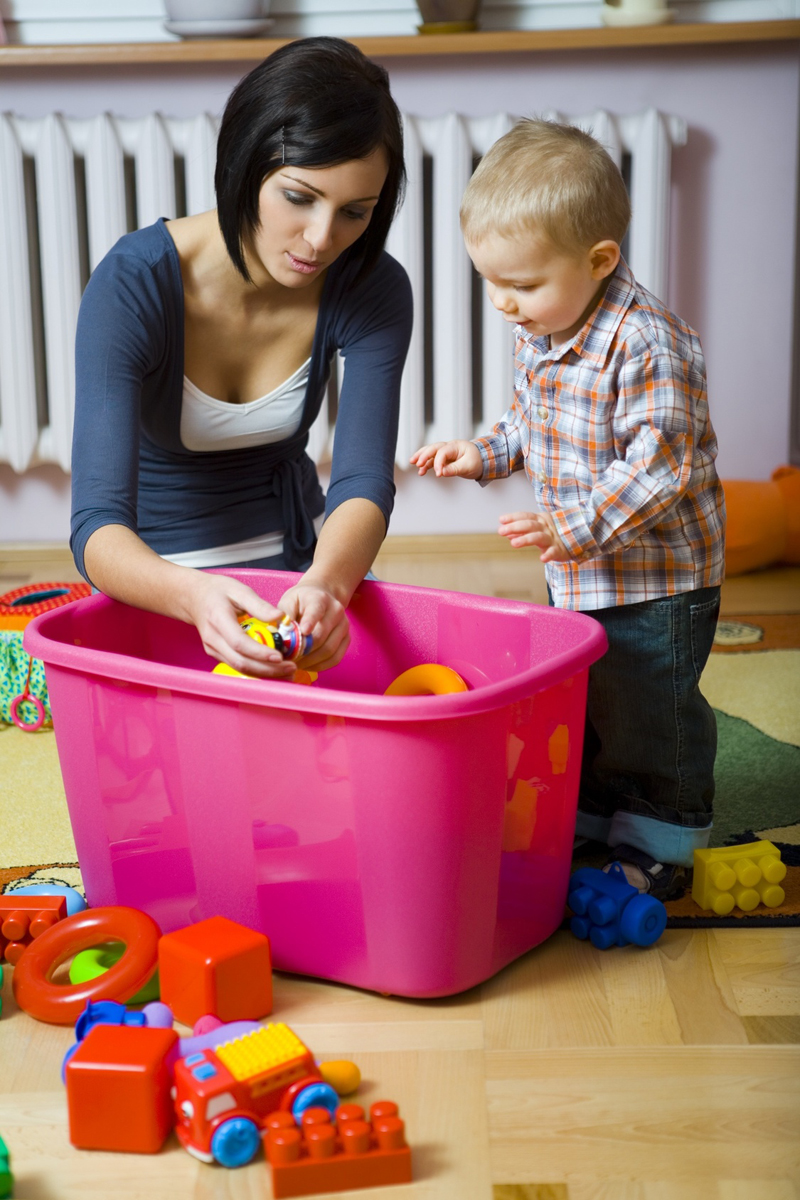
Father and Son Playing Together at Home

Weather you are a parent, new or not so new OR a grandparent OR an aunt or uncle, etc, it can feel a bit daunting as you are looking at all the toys and games before you. I think there are some basics for all of us to consider when we buy gifts for children. Because it does matter what we buy children.  I spoke in my last week’s blog piece on why it matters. So before you buy, here are some things to consider . . .

  1. Does this toy or game or electronic device represent something healthy? We want to encourage healthy thinking and problem solving. Plus, healthy interactions and ways of seeing the world. So ask yourself, as you consider this toy or game or electronic device – “Is this healthy and promoting what is good and wholesome. I know, wholesome is a bit outdated, but it fits for here.
  2.  Is what you are looking at developmentally age appropriate for the child you are about to buy for? I know at times children want or ask for items that really are not suitable for their age or maybe it may be ok for some 10 year olds, but for other 10 year olds it may not be a fit due to . . .  This may be that the child is not ready for a DVD that will keep them up at night with nightmares, etc. Sometimes we may not know  what is appropriate for each age. See some of my general thoughts posted below on the different age groups.  You will also find most toys and games have general age indicators on their packaging.
  3. Is it a toy or item that can be used in multiple ways to be creative? An example that comes to mind are open-ended building materials, such as:  building blocks, legos and other put together materials in which your imagination is the limit. Or maybe you are looking at a computer game. Choosing one in which you can create is a good choice in general, unless it is creating something unhealthy. Another example might be instead of giving coloring books, consider a pad of blank paper and some higher quality markers or colored pencils in a tinned box. Or opposed to a doll that talks, walks, and . . . , consider a doll that the child provides all the actions using their imagination.
  4. Is it well made and ideally with natural materials? There is so much more information the past several years about different plastics being toxic. Information on this can be found on the internet. You will find some more high quality toys that will have labels that disclose they are not using certain kinds of materials.
  5. Does this toy, game or electronic device dovetail with the child’s interests?  We are all unique individuals with areas of specific interest. This starts early on, so consider when selecting this gift “Would this be of interest to . . . or would they enjoy this?” This does not mean we cannot expose children to new things, we can. But it does make children feel you care and that you really get them when you are attuned to their unique interests. For example: animals or space or a collection of a particular something, etc.

General Thoughts on Different Age Groups & Some of My Favorites for Children and Teens:

Infants and Toddlers:

Infants and Toddlers put everything in their mouth and are exploring with all of the senses. So I try to remember the “no objects that could get stuck in their throat” rule. Plus, they love bright colors for stimulation and muted colors for rest and relaxation. Toys that are non toxic are extremely important for this age due to everything going into the mouth. Plus toys that can handle lots of active, physical play. Looking at the specific skills that are in their range or are emerging is important to consider.  From about 18 months -3 years you will see more pretend play happening.
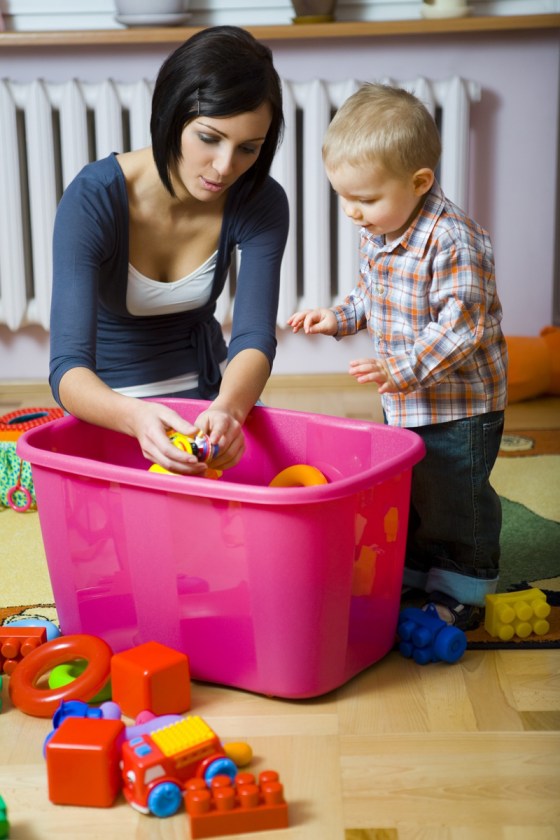
Look what is this

My favorites for this age group:  

Sensory Based Toys: Teethers with different textures. I really like Sophie a fun natural rubber giraffe and teether.  Blankets with different kinds of textures and sounds.

Balls of different sizes and shapes. (no extra small ones that could be swallowed)

Push / Pull Toys, Stacking Toys, Small Riding Toys

Duplo Lego for Toddlers and Twos / Threes

Simple Baby Dolls for both girls and boys

Simple Sturdy Hard Paged Books Intended for Infants and Toddlers

Preschoolers:

The age range from 3 -5 is one of lots of fantasy, pretend & highly imaginative play. More social cooperative play is part of this age. So this is something to take into consideration when buying for this age group.

My favorites for this age group:

Wooden Blocks

Pretend Domestic Play: Dolls, Sturdy Dishes, Stove/Sink Sets, Sturdy Simple Doll Houses  with People and Furniture, Cars & Trucks

Puppets

Creative Art Materials

Put Together Toys: Duplo and Regular Lego, etc.

Tricycles

Elementary:

More defined interests emerge for this group. You will find some children who love active sports and games and others who may be more into arts and crafts or computer games, etc. The lower end of this group, K-3rd will still enjoy some pretend, imaginative fantasy play and items as listed in the preschool age range. All of this will depend of course on the individual child.

Electronic and computer kinds of activities are beginning to be more prevalent within this age group. If possible I think it is helpful not to let this slide down into the preschool age group, as they need to be exploring their world in a concrete way as the younger elementary set should be as well. Toys and equipment that encourage active play is so very nice as to sitting in front of some kind of screen device that has become so common.

This is the age that you see more games and competitive play come into action. My take is that including some cooperative games can be a very healthy strategy to help children learn to problem solve and learn how to interact in a socially healthy way. Competitive games are ok for this age, especially the older elementary age group. But having some cooperative games can provide a nice balance for really learning how to function for the good of the group and also be in our competitive society we live in.

boy and a girl playing video game

My favorites for this age group: 

Play Mobile

More Intricate Doll Houses

Lego that Fits Age and More Advanced Put Together Toys

Cooperative Games

Creative Art Materials

Books and Magazines of Interest  ( I love Ranger Rick)

Physical or Sports Items – Bikes, Balls for Different Sports, etc.

Items of Specific Interest for the Child that are Healthy

Teens:

I feel this is a highly individualized age group as to what games and electronic they might like.

This may be sports equipment, art materials, books, games, screen devices or electronic games (that you really feel good about).

Of course, clothes of their choosing and ones you can live with are popular.

Sometimes a gift certificate to their favorite store where they can pick out what fits specifically for them can work well.

I hope this helps in your choosing of toys, games and electronic devices for all the young people in your life.  Best wishes in your endeavors to find the right fit.

How Counting Your Blessings Can Lead to More Happiness

Beautiful young woman looking in the mirror

Sometimes we don’t feel so blessed and we don’t feel so happy. We feel down and discouraged at times. We are human. It happens. So what can we do to create more happiness? And does “counting our blessings” really have anything to do with happiness? I think it does. Here is my take on how they interconnect with one another.

THE GAME PLAN FOR  COUNTING YOUR BLESSINGS AND CREATING MORE HAPPINESS:

  • Decide for yourself, “What is a blessing?” You might ponder this a bit, what you consider a blessing. For me a blessing can mean multiple things. A blessing can be something that has in some way furthered what I consider my purpose OR has provided a basic need or a want OR has protected me in some way OR has brought me happiness or joy in some way  OR has been what I call a “good” or positive thing and more. Basically all the “GOOD” stuff that happens to us. That said, at times I know sometimes what we think is a negative thing or a closing of a door can in the end be a blessing or a good thing. 
  •  Actively be on the “look out” for the blessings you have in your life. Your blessings come in all sizes. And they all count! Sometimes it may feel like the smaller ones don’t count as much, but they do. Those little blessings accumulate and add up to make a true difference. So let what you call “little blessings” count. Actively look for them each and every day. Of course, you want to look for those medium and large blessings as well.
  • Every time you acknowledge your blessings, you activate more of them. It gives you a sense of hope when you are having a hard time and you notice the small blessings in your life. As you begin to notice them, you will find they start appearing and coming up more often. We attract what we focus on.
  • Talk about your blessings. Talk those blessings up. Tell your husband, your children, your friends, your co-workers and anyone else that you encounter. I am not talking about bragging, but letting others know what you appreciate about what is going on in your life. You may inspire others along the way to re-look at how they view life.
  • Be thankful for your blessings and express gratitude. This may be to a spiritual being or to a person who you feel had a hand in creating these blessing or both or to whatever fits for you. This expression of gratitude helps us to set in motion feelings of well-being or happiness.
  • Focus on your blessings and see your happiness grow! When we focus on what is good going on in our life – the little, the medium and big things, happiness finds us. It is a lovely circle we can create.

So count your blessings. You will be glad you did!


5 Ways to Create Holidays That are Meaningful and Joyful

Family Sledding

Does it matter what we do on the holidays? We all have pretty high expectations for the holidays and many times are disappointed. So why is that? As we scurry and go as fast as we can, we sometimes find it all a bit exhausting and a bit shallow. But we can have the holidays that we want. So what can we do to create holidays that are meaningful and joyful?

1. Decide what you WANT for YOUR HOLIDAY.  What a wonderful opportunity for you and your family to really talk about what matters to you as a family and what you can do to make it happen. You can call a special family meeting and ask for everyone’s opinion and try to really incorporate as many ideas as possible. It may be up to you as parents, if you have children, to lead this discussion helping children and adolescents expand their ideas about what Christmas might be about.  Before you lead your discussion with your family, you may want to decide as parents what you think is important and what you feel about the holidays. This can help you be prepared and be able to lead a thoughtful conversation. So what do you want???

2. Now that you know what you want, HOW can you achieve it? One way is to “brainstorm as a family” about how you can create THIS HOLIDAY that you want. Maybe you want to spend time together as a family? So decide as a family what this might look like and schedule it in. Maybe you decide it is about giving to those in need. So you all consider possible ways to do this. Planning together as a family with all involved in some way makes this kind of activity most rewarding. Maybe your family decides you want to be less commercial, so you decide how that would look for your family. Of course, you may have multiple things you want to achieve. It is all about what YOU and your family want and need for the holiday to be meaningful and joyful.

3. Be REALISTIC with your plans. The gist of this I think is we really can not do it all and we will probably have to CHOOSE what is most important to us. That can be hard for all of us. There are so many opportunities and things we can do.  They all pull at us. And it can be hard to say NO, but it really is ok to do so. It can be done respectfully and with appreciation for the offer. I remember one year after Christmas a co-worker telling me, “I am just glad it is all over.” If that is normally how we feel after the holidays, it may be time to re-look at how we are doing the holidays. It is also important for us to distribute the work load of the holidays. I have one relative who has said to me, “I hate the holidays. It is just all too much as I am the one who does it all.” So this is a needed family conversation.  In our home in recent years, my husband buys the guy gifts and I buy the gal gifts. It is a way to distribute the load. Look at your own unique situation and find a way so all can enjoy the holidays.

4. Take a Technology Break. As much as possible think about taking a break from technology and spending that extra time it creates with your loved ones. They will love you for it. This is a gift in itself.  Some possible limits might include: No cell usage during planned holiday events. Taking pics of each other would probably be a more connecting kind of use of technology so this may be an exception to this cell use limit. Video games and like kind of activities would not be considered a holiday activity unless it is done as a family and in a limited kind of way so there is time for other kinds of connecting. Or if this feels too restricting you could consider putting a limit on how much time is spent doing tech kind of activities and when these are ok. Letting children and adolescents know why you are setting these boundaries may help soften this request. Tell your children how much you love them and how you really want to spend one on one time with them during the holiday. You can point out to them that you too are taking a “technology break”.

5. Be flexible and be ready to go with the flow. Let the good come in even when things do not go as planned. Most holidays are not perfect and if we go into them knowing that we may have to be flexible and we may have to be ok with some shifts or changes, it seems to go better. “Choosing to be happy” even when some things go awry can help. Letting the good still come in even when the weather interferes with a planned activity or someone gets sick, etc. allows for joy even when things are not perfect.  Acknowledge and help each other to remember all the good that is going on. Talk about it, This helps to amplify and let it really soak in.

Enjoy this season ahead and remember what is important to you and your family. That is all that really matters. Happy Holidays to you all!

Girl And Mother With Cookies


How to Let Go and Be Happy

sad girl with hand on face clip art

Are you wanting to let go, but find it hard? Holding on and being stuck in our upset can cause much unhappiness. Learning to “let go” and “be happy” is easier than we may think. So what does it mean to let go?  Here is a summary of my take on what it means to let go and make room for happiness to come into your life.

First of all what letting go is not about. It is not about letting others be abusive or treat us badly and decide it is ok.  It is not about letting a situation continue that is unhealthy.

Letting go is about – CHOOSING to let something not be the “focus”and move on to a different place, CHOOSING to let in the good, CHOOSING to be happy, CHOOSING to live in the now.  It is about focusing on OUR response. 

 happy couple looking at each other on a lawn clip art

What do we need to do to get to the place where we can feel we are ready to let something go? Here are a few things to consider as you think about incorporating more “letting go” into your life.

  1. First of all, acknowledge and give honor to your upset feelings. Your feelings are important and your guide posts as to helping you know what needs to be addressed and possibly not addressed. Regardless, how you feel is important. You have a right to your feelings, all of them.
  2. Consider what you are upset about. Is it worth your time and energy to carry it with you? Our upsets can be put on a very wide continuum. For example: A store clerk is rude. Traffic is extra tough and you get home 15 minutes later than normal. Someone does not agree with your idea in a meeting. Your husband forgets to tell you about a change in plans. Your child does not study for a test and gets a bad grade. Your cat throws up on your carpet. Most of the household chores are being done by you and you are not happy about it. All work and no play. Your partner is depressed and not responsive. You need more connection with your spouse or significant other. The doctor’s appointment does not go well and you have a serious diagnosis. Your mom dies and you are devastated. So, yes we  have a spectrum of what may be upsetting us.
  3. Are the small irritations and disappointments worth our time and focus? Probably not. We can acknowledge our feelings and decide to let it go. If it increases as a problem, we can choose to do something different. If your upset is moderate to big, we will have some additional steps to work through.
  4.   Larger upsets may require some action on our part. CHOOSING what to do after some thoughtful consideration is a part of this plan. Here are some possible things to consider.
  • Would it help to talk to someone? A neutral or supportive party? Or the person who is involved in the upset?
  • Simply talking about our feelings and acknowledging them helps to begin to lessen the power of these feelings. The intensity of how we feel can lesson and we can begin to see more clearly. 1) If you are choosing to talk with a supportive friend, consider one who is more of a listener opposed to telling you what to do.  2) If you choose to talk with the person who is involved in the upset, then try to do it when you are not in a high reactive state, but one on in which you feel you can talk in a low, calm thoughtful way as much as possible with a respectful tone. This will help to create an atmosphere in which the other person will be able to hear you without becoming defensive and be able to respond in a thoughtful way.
  • Deciding what you need to feel better and taking action to make that happen. If this involves another then it may mean exploring ideas that will work for both of you. This may be a process, but just beginning this interaction will take you where you want to go. It may mean letting go of rigid ideas of what has to happen to make it better. Seeing both sides and coming to a point that peace and what you both can live with may be the answer. This said, there may be some things that do not have a middle ground. For example a third-party involvement in a relationship or an ongoing drug or alcohol issue.  A decisive stance or action on your part my be part of what is needed. If this is an individual issue, it may involve deciding what is best for you and then moving toward this action.
  • Forgiveness may be a part of the plan. This is a letting go process and one that is not always simple. But it is attainable. Forgiveness is not saying you are ok with a betrayal or a hurtful interaction, etc. It is about choosing to come to a place of letting it go to let the good come back in. And beginning the process of re-building and healing.
  • Shift to a happier place. Begin to focus on what makes you feel happy. You can build on this, creating more of what you want in your life.

We all have to decide how much power we want something to have over us. Sometimes we may need to have a time of grief, especially with a significant loss. This is normal and part of what we may need. At some point with small or large things we can come to a point of deciding if we are ready to let go or at least partially let go and let the good stuff back into our life.  Happiness and joy is something we all deserve. We have the power to create the life we want.

Letting in the Good – Hardwiring Happiness

California Poppies and Gazanias

As I woke up this am, I saw the filtered light peeking through my blinds, sparkling sunlight among the trees. I thought of the lovely phrase, “letting in the good” from the new book I have started reading, Hardwiring Happiness by Dr. Rick Hanson. He is an acclaimed  neuropsychologist whose focus is on the brain and how we can re-program our brain for more happiness.

It’s about “letting in the good” that comes into our life, really letting it sink in and remain a part of us. I love this idea and am up for letting more good come into my life. What about you?

Dr. Hanson talks about how our brains have evolved from their early beginnings, millions of years ago where we have what scientists call a “negative bias”  due to survival instinct and the primitive environment that surrounded us, with a high need to protect ourselves. You might think of tigers on the loose, hunting for food and shelter, competing for a mate, etc. Our evolving brain came from dealing with life and death on a daily basis. So still today our brains are always scanning for danger and potential threat and has a bias to remember negative things that occur or happen to us.

Finding ways to rewire our brain to have a more “positive bias” in its normal resting mode has been were Dr. Hanson has focused his work. His premise is that we should “let more of the good in” to sustain our happiness. I am doing a short recap of his main ideas of how to make this happen.  He calls this the HEAL process.

H     Have a Positive Experience.

E     Enrich It.

A     Absorb It.

L     Link Positive and Negative Material   (He says this last step is optional in the process)


In having a positive experience, this can be one that has happened or one that you go out and create. Let it feel emotionally rewarding.

In enriching the positive experience, he suggests that you fully open all of your good feelings around this experience. Let it fill your mind and body. Intensify the experience, really focusing on the small details and the lovely feelings you are having as you think about it. Think about how this is good for you in your life and how it is making a difference.

In absorbing a positive experience, you can think about the experience sinking into you. Using visualization can help to highlight and make it more powerful. You could see the experience flowing down into your body with a lovely soothing feeling. You will have your own imagery that fits for you.

The fourth step is more complex and optional. I would suggest reading his material on this process. The end result is to uproot negative material in our brain.

Hardwirng for Happiness book cover pic

Dr. Hanson’s web address is: RickHanson.net. You can check here for tools, practices, videos and information. You can purchase his book at Amazon.com.

Here is one of Rick Hanson’s videos on “Letting in the Good”.

I am excited to finish his book and hope you will find his material helpful in creating a more positive biased brain.  You will find it does feel good indeed to enrich and absorb more of the good stuff that comes your way.  I hope you will experiment a bit as I have been doing and each time a good feeling occurs, take 10 seconds or so and let it really sink in and enjoy.  You will be re-wiring your brain as you do  Here is to all of us  “letting in the good”!


“It’s All Good” – 5 Strategies for Using Positive Self Talk That Works

Man and a Woman with Their Heads Together Smiling

A year or so ago my son was trying to reassure me something was not a big deal. He simply said, “It’s all good.” I liked that simple reminder. So I find myself using it when I am feeling a bit down or discouraged. In general, I have found positive self talk to be tremendously helpful in shifting my thoughts to a higher and more helpful place. I know many who have found this to be true.   Here are some practical and concrete ways to use positive self talk.

5 Strategies for Using Positive Self Talk That Works

1. You must believe what you are saying. This is one of the things that really activates our brain to move in this direction. If you are saying it and really not believing it, then it will probably not work. Our minds will definitely pick up on that kind of discrepancy. I am sure  you have heard the term fake it til you make it. And there is some truth to it.  So with this strategy, you can pretend with as much passion as possible and this may be enough to help things along. But ultimately for best results you will need to believe it.

2. Use power words. Basically use words that carry some punch and have a passionate feel about them.  Putting out this kind of message will attract things that are similar to your message. For example: “Everything is  falling into place.”   or “An amazing day full of positive energy and smooth sailing is here before me . ” Using as much detail as possible helps too.

3. Remember to use a current tense. This of course sends out the message that It is” Happening” and that we are not talking about in the future, but we are talking NOW. And what is better than that.

4. Use your positive self talk as much as possible.  Of course just like anything else, the more we do it, the better we get at it. Thus, the more successful it is.

5. Don’t get discouraged. Keep doing your positive talk, even if it does not feel like it is helping immediately. Your brain just needs to catch up with your new thoughts. Give it some time, it will work.

Note: For those of you who want a more scientific, researched term we can plug-in the words of Cognitive Behavioral Self Talk. This is about how our thoughts affect our feelings and behavior. It is all a circular kind of pattern. So once again, I might say, “It’s all good.”


Too Busy for Self Care?

IMG_3776

Are you too busy for self-care? Too busy for the good stuff?  You are not alone. I am currently in process of putting together a presentation for a group of therapists on self-care and have found myself ironically just too busy to do good self-care for myself due to this extra project. I finally got a hold of myself and said,  “ENOUGH. You must take time to care for yourself or you will not be of help to anyone else.” My body actually did some of this for me this last week and had me not feeling well, needing to cancel some commitments. I always joke with my family that my body will just shut me down if I do not listen to it.  And it truly does so.

First of all what is good self-care?

  • Starting with the “basics”. Enough sleep to feel refreshed when you get up in the morning. Healthy food that makes you feel good and keeps your body in good working order and full of energy.  Let us not forget, lots of water which has been shown to help alleviate stress and of course helps to flush toxins from the body. Then there is physical exercise, which can come in many forms. It can be a simple daily evening walk or going to the YMCA two nights a week, riding your bike or whatever is a fit for you to help keep you physically healthy.
  • Then we have emotional health that is very intertwined with the body. The mind-body connection is strong and research continues to grow in this area.  Stress affects your emotional and physical health. How you are doing emotionally makes a difference as to how you will fare physically. This is common sense that we all witness. But our busy lives keep us in a place where we do not always think about what we really know instinctively about our bodies. One thing to consider about your stress is how you view it.  You have a choice in how you choose to look at something, even if you can not change the circumstances. By choosing to think in a way that helps you to feel better, you can be in a more peaceful place.
  • Putting your joy and happiness up at the top of your list is important. This allows you to then share that happiness with your families and loved ones. Balancing family needs and personal needs can be challenging. But the more balance the better you will feel.

So what can you do when you are just too busy to do good self-care???

  1. You can PRIORITIZE. Meaning you can decide what is most important and rank in order what you feel you most need to do. At the top of the list should be good self-care. And yes that is not always easy. It many times means having to let go of something else. There really are only 24 hours in a day. Even though I so want more at times. But 24 is REALLY enough. When you live each moment in the present and know you will never have it all done and it is ok, you can feel so much more peaceful.
  2. You can say NO to some things. You can let go of having to have your list completely done each day. You can do the best you can and feel good about what you did accomplish. You can remind yourselves you do not need to be perfect. You are wonderful just the way you are!
  3. You can do mini self-care breaks. Maybe you really do have to finish a work project or take our child to practice each night. But  you can incorporate ways to take breaks with your work. Maybe it is a simple 5 or 10 minute walk outside to regroup. Or maybe you decide you can carpool with another parent for your child’s practice. You may feel you need to have a large block of time to do self care. I would invite you to consider ways to incorporate smaller bite sized self care breaks. I know for me more self care happens when I use this approach.

I will be exploring the issue of self-care in more detail in my fall quarterly  newsletter. If you wish to subscribe to my newsletter, you are welcome to go my website and go into the Well Being Newsletter tab and sign up there. My website address is as follows: www.stromtherapy.com I might add I have an archive of all my past newsletters in this section of my website.

Take good care of yourself. YOU are so worth it!

How to Make a Bully from Scratch

make-a-bully

How does a bully develop? And can we predict what kinds of things will lead to the making of a bully? From my perspective as a therapist, this begins early on and is all about basic emotional needs not being met and is a relationship based issue. It is all about LOVE and CONNECTION.  I do think we can prevent and work with children and adolescents on these issues. It takes all of us to help with this growing problem.

In preparing for a training of some therapist recently, I ran across a video put out by Conscious Discipline that is titled: How to Make a Bully from Scratch. I am sharing that video here in my blog because I think it is excellent and shows the progression from very early on as to how a bully can develop. It not only shows how a bully develops, but also how a victim develops. It is about 10 minutes in length. And it well worth a 10 minute break to watch it.

Dr. Becky Bailey’s video HOW to Make A BULLY FROM SCRATCH shares 5 signs that show the bully and victim’s progression.

  1. 0-3 Years Old     Difficult Temperament 
  2. 3-5 Years Old   Difficulty Playing With Others
  3. 5-8 Years Old     Difficulty with Relationships
  4. 8-12 Years  Old   Exclusion and “I Don’t Care” Language
  5. Teenage Years    Brain Empathy System is Offline

http://www.youtube.com/watch?v=tzftHNh7xP8

You may want to check out Conscious Discipline’s  website www.consciousdiscipline.com as they have great resources on helping children develop self-regulation and social skills. It has resources for parents, teachers and mental health specialists.

So let’s all remember every time we make a child feel loved and connected we are actively preventing the making of a bully or a victim. Let me know what you think about this video.


Using Your Upset Feelings to Feel Better

sad pic of young woman

You are upset. You are sad. You are mad. You are scared. The question is what do you do with your upset feelings?  You can stuff them, you can wallow in them, you can grow them, you can ignore them, you can share them over and over without taking any real action and more. OR you can use your upset feelings to feel better. So how does that work?

How to Use Your Upset Feelings to FEEL BETTER . . .

  1. First of all try to see your FEELINGS as your own INTERNAL GUIDANCE SYSTEM. Simply put, see your feelings as a “navigation tool”. They can put you in touch with how YOU are really doing and can be an accurate “measurement” of your well-being. Your feelings are a good friend!
  2. Acknowledge your feelings. Avoid stuffing, ignoring or telling yourself that they don’t matter. Listen to your feelings  & give them the RESPECT they deserve. You are respecting yourself when you respect your feelings. Example: “I am feeling really sad today. I don’t like that I had an argument with my husband this morning.”
  3. Shift to neutral. Take some deep breaths and calm yourself. Bringing yourself to a place of “neutral” can help you then progress to the feelings you want.  Example: “I am going to take some deep breaths. It’s all going to be ok.” Deep Breath. Deep Breath. Deep Breath. Continue to use positive self talk and deep breaths until you feel more neutral.  Example: “I know we can work this out. ” Deep Breath. Deep Breath. Deep Breath. 
  4. After you have calmed, CHOOSE how you want to feel.  It is a bit of a choosing to shift process. If we can shift or change gears early on with our feelings, after acknowledging them and calming ourselves, we have a better chance of going to the place of well-being we want to be in. So if you are sad and you want to be happy. Then you make a conscious choice to have happy feelings. We can choose how we want to feel.  Example: “I  am choosing to feel happy and go about my day. It feels good to be happy.”
  5. Take ACTION if need be. Take care of yourself by following up with those feelings you had that were upsetting if need be. Example: ” I am going to talk with my husband about our argument and see how we can work this out. I know we can find a solution.” 
  6. Long term stuffed feelings may need more acknowledging and working through and more steps of action. Reoccurring feelings or patterns may need more processing and clearing. This will include finding ways to shift and change things that have been affecting you. Taking action is what is key here. Having a support person or a therapist would be helpful in this kind of situation.

happy woman smiling

So use those upset feelings to feel better. Listen to your feelings. They are telling you something is not right. They can advice you something needs corrected. And you have the power to do that. Choose what is best for you!

Rebuilding Your Empty Nest

empty bird next

Is it time to rebuild your nest? Are you an empty nester? You may be thinking am I an empty nester and does that really ever happen. Yes and no. You will always have a spot for your babies to come back and roost for a bit if they need to and you will still have your kiddos in your life. But as your children start to leave for college you are in the process of your nest emptying. AND this is the time where new possibilities begin to open and appear for you as a couple.

REBUILDING YOUR EMPTY NEST

  1. Support One Another – This is a time to reflect and decide what you need as a couple at this point in time. Going through this process  can feel painful for some folks and you may go through a bit of a grieving process. So you really have to be there for each other. You may each handle it in a different way.
  2. Give Yourselves a Pat on the Back for Your Years of Active Parenting – This is not to say you will no longer be a parent. You will enter a different phase of parenting and there will be a transition as your children leave college, as they marry, as they have children, etc, etc. But do take time to congratulate yourself on all you did to raise your children. It is not always an easy job and recognizing and giving yourself credit for what you did is important.
  3. Create New Goals for Yourself as a Couple and as an Individual – As your responsibilities for active parenting of children in the home has ended, you will find you have this lovely space to create new goals and to redefine possibly what you feel your purpose in life is. This is true for you as a couple and as an individual. This can help with your grieving process of transitioning from a certain stage of parenting.
  4. Have Fun, Love life and Enjoy Your Freedom – You do not have a soccer game you have to attend. You do not have to take the kids to practice. You do not have to be in three places at once. You are free. You have more time to be with each other as a couple and more time to pursue individual interests. It is a wonderful time to re-connect and start dating and getting to know each other again. To travel a bit. Or to take up yoga. Or whatever it is you have held off on.
  5. Remember You Will Always Be a Parent – It will just shift as to your role. So do not despair. It is never really over. But it does change. But that is ok, you are ready for a new adventure!

middle age couple

So grieve if you need to. Talk about your feelings with each other. But remember you have new wonderful opportunities ahead of you. So enjoy!