PRAISE That Makes Your Relationship Stronger and More Connected

couple with woman smiling

So what kind of praise can make your relationship stronger and more connected? I would say hands down, “Descriptive Praise”. It is the most powerful kind of praise as to making a connecting impact. We all like to be praised or hear the good stuff about us. But there are specific ways to give praise that is most helpful and carries the strongest punch. This is “DESCRIPTIVE PRAISE”. And the cool thing is that it can be used for all of your relationships.

What is Descriptive Praise?

Descriptive Praise is different from traditional praise, which normally is expressed with a “Good job.” OR “That was great.” OR “Wonderful”  Traditional praise is evaluative in nature. Descriptive Praise is when you describe out in detail what you have seen or heard or feel and then it is left open for the receiver to take it in and praise themselves. The sender comes across as really seeing and noticing all of the small details of what has occurred which has so much more impact. Some like to add a summation after the description of the details of what has occurred to give it a more powerful effect.

Who Can it Be Used With?

I first heard about “Descriptive Praise” when I read the book How to Talk So Kids Will Listen and Listen So Kids Will Talk. Later I saw the authors speak when they came to Tulsa.  I then became involved in teaching their group workshop materials and have found through the years that “Descriptive Praise” is applicable for all relationships: Parent / Child and Couples. Actually for any relationship.

What Are the Specific Benefits of Descriptive Praise?

  • A closer connection with your loved one who feels very acknowledged and really very seen and heard.
  • The receiver will feel good about their behavior as it has been witnessed by a loved one or someone who they know and care about. It can be a self-esteem booster.
  • It gives the receiver an opportunity to look in detail at what they have done and praise themselves. This is a very healthy kind of praise.
  • In regard to parent / child relationships, the detailed nature of descriptive praise helps to wire the brain with what parents may feel is behavior that they wish and hope their children to continue.

Examples for Your Consideration
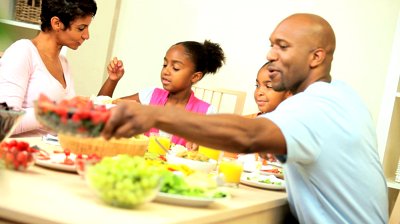
couple eating salad and smiling

Couple Examples:

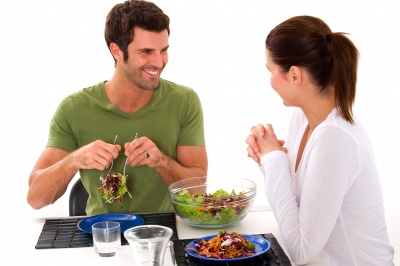
“I see you have made supper for us tonight. And look at all that chopping and pre work you have done to make our veggie soup. You even made a fresh green salad to go with it. You are really taking care of us! Thank you.”

“I was so busy and I know I told you I was going to throw in a load of laundry, but I forgot. Looks like you did it for me. You saw I was over my head and came to my rescue.”

“I loved my Valentine’s present. You noticed me looking at those pretty scarfs and went back and bought me one. You were really paying attention to what I like. That makes me feel so special.”

child and parent talking and smiling

Parent / Child Examples:

” You picked up your room. All the books are on the shelf. The clothes are in the hamper. Your papers on your desk. And legos in their special Lego bin. That is what I call being organized.”

” You came home and got a snack and went straight to your room to work on your home work. You chose to get your homework done early. You were thinking ahead.”

“You were mad at your friend and you choose to use your words instead of hitting him. You know how to control yourself.”


I hope you will give descriptive praise a try with your loved ones. It may feel a bit wordy but I think you will find the effort very much worth your time. I know your loved ones will love it and you for it!

My ending example. This one is for you 🙂 “You saw this blog title and decided this article was worth taking a look at. So you took your time and read it through. You are open to new ideas to improve your relationships. You take time for what is important to you.”

So how did that feel?


Source for the original descriptive praise concept: How to Talk So Kids Will Listen and Listen So Kids Will Talk by Adele Faber and Elaine Mazlish.

Love From the Inside Out

 self love woman with word love on hand

Which is more important loving yourself or loving others?  That should cause some discussion. I think the other question is  “Where does self-love start and does one need to love themselves to be able to love others in a healthy way?”

Love starts when we are infants. How we are raised and what messages we are given about ourselves has a profound affect on how we view ourselves and if we have a good self-esteem and if we truly love who we are. Our life experiences outside of our home also plays a part in how we feel about ourselves. This affects our relationships. How we feel about ourselves will affect our choice of partners and friends, etc. It will color our view of relationships. If you did not have an optimal childhood there are ways to work through all of this and have a healthy relationship. Being with a healthy person in your relationship can help with some of the reparative work.

To sum up some of the main ideas on the issue of self-love and love of others:

  1. Love starts with loving yourself.  If you question whether you love yourself or even like yourself, then it is time to look at this and begin a love affair with yourself. This is something that cannot be taken away from you.  It is the ultimate gift we can give our self. When we feel good about ourselves just the way we are. it opens up this wonderful space to be really HAPPY. If you have had a difficult childhood, this may mean getting some help to work through this. But it can be done.
  2. If you want others to show their love to you, starting with showing your love is a good way to get this two-way flow going. When we are open with our love and support for our loved ones, then this tends to flow back to us. If it is not flowing back, then it is ok to let folks know what you need. This may be different for different folks. Many of you are probably familiar with the Five Love Languages. The basic premise is that we have a dominant preference for what makes us feel loved. For some it may be receiving gifts. Others it may be acknowledgement and praise. For some it might be acts of service (ex. helping). Then there are those that feel loved most when they are physically touched. Some thrive on quality time.  And then lastly, it may be that you are multi-faceted, like me – I like all of these!  The main point of all of this is that we can lovingly and respectfully tell our loved ones what we need.
  3. Back to loving yourself. This is where it starts and ends. You must love yourself just as you are unconditionally to feel good about yourself. Plus. if for some reason others are not giving you the love you need you can not only communicate your needs, but you can have the basic foundation piece in place “LOVING YOURSELF” which will always serve you well. You might be wondering what does this really mean, loving yourself? For me loving my self is to live authentically, choosing my work and activities to match up with what I am passionate about and what I believe in. And it means good self-care along with caring about my happiness and those I love. You will have your own definition that fits for you.

couple face to face black and white photo

Loving “from the inside out” is loving yourself first, thus allowing your love to then be given to others in a healthy way. Remember you are unique and lovable just the way you are!

love yourself on a beach

Why Hang with Happy People?

couple young laughing together

Does it matter who we spend our time with? I think it does. When we hang with happy people, we feel happier. I was just listening to an audio book on brain research and love and within this framework there was a discussion about “mirror neurons” in our brain. The mirror neurons in our brain help us to be attuned to those around us. So we search for how another feels and our brain internally mirrors that emotion. It is like we experienced it ourselves. So when we spend large amounts of time with those who are upset or unhappy we may find ourselves feeling this way also. If your friends are negative there will be a strong feel to want to be negative also. Or if your significant other is depressed a lot it may feel as if your mood tends to gravitate to this emotion. I am not saying that we all do not have times of upset and don’t  need to process this with another. We do. I am talking about those who are never happy or always upset and expressing it to all around them.

friends two couples laughing

We spent some time with some good friends for a get together at our house this last weekend. I always feel so good when I see these friends. They are happy, positive and upbeat. And I find myself feeling positive and upbeat when we end our time with them. This is not to say we are not REAL with each other about struggles and disappointments. We are.  It feels good to know there is no judgement, but there is always a shift and general positive feel that all is well.

So let’s think about how we can put more happy people in our life and how we can deal with those who are not so happy.

  1. We do have a choice who we hang with, for the most part. Yes we have to work with a certain group of people or at least unless we choose to work with another group of folks. This of course is something to consider if it an extreme situation. We can choose how much time to spend with different friends. We can choose to limit our time or not spend time with a negative friend. You do have control of how you spend your time and sometimes it may mean putting boundaries in place as to time spent with people you know that are very negative and do nothing to bring any happiness to your life.
  2. Lead the way, in choosing to focus on your own happy, positive feelings. You will find that it grows those kinds of feelings in those around you. In addition, you will find that folks will want to hang with you because it feels so very good to be around you. Happy attracts happy! Again, sharing upset feelings and being real is part of being human. The point is trying to balance and have your scales weight toward the happy, upbeat “half full” view of life. You can set the tone with those around you. 
  3. On purpose get together with those folks who are more positive by nature. Your brain will collect their happy, positive thoughts as though you had them yourself.
  4. If you are with a person who is not happy, reflect and acknowledge their feelings so they can feel heard and then gently move toward what might make them feel better.
  5. Consider your couple relationships and how they affect your own relationship. If you have couple friends who are unhappy and are in conflict with one another it can breed a feeling of not being satisfied. Like attracts like. Or I suppose in this case unlike attracts unlike.  When you are with couple friends who are loving and kind to each other, it serves as a reminder that this is what you are striving for also.
  6. When dealing with family members who are “in a mood’, try to be empathetic but avoid being drawn into the depths of their upset.  Just as with friends, acknowledge their upset, listen to what they need to say to process the upset and then invite them to a better place where they can let some good in. Let them know you love them and are there for them, this in itself can turn the tide toward a brighter outlook.  parent and teen talking
  7. If you are not feeling very happy, you might consider seeking out one of your friends or family members who radiate a feeling of caring and has a positive attitude. Yes be real and process those feelings, but be with someone who can help remind you of the good stuff going on in your life.

So . . . go hang with as many happy people as you can. You will be so glad you did!

4 Deep Breaths Can Change YOUR Life

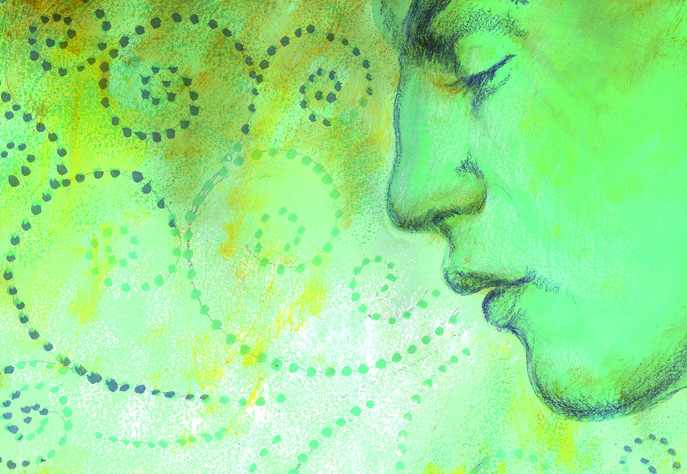
Profile of Face with Swirls

So how can 4 deep breaths change your life? It can give you the time to calm your brain and react in the way you most want or desire. We hear a lot today about meditation and breath work and the wonderful benefits of being able to lessen our anxiety and really clear the chatter and chaos from our brain. In this application, I am talking about doing something that we all can do with minimal effort. This is not an hour meditation, not to say that this would not be incredibly helpful for us. This is simply using what we have accessible in our everyday life to calm our mind and body – OUR BREATH. It is a way to allow us to be more in charge of creating the life we want.

I might add if you can combine this with a question of what do I need or want OR a positive “self talk” statement this will further aid you in creating the life and relationships you so desire.  This is a powerful combination for sure. I hope you will try it for yourself.

There are different strategies that can be used when doing breath work. From very simple to more complex. Here are some beginning possibilities to consider.

  1. To begin breath work you may want to just do a simple slow deep breath in and a slow deep breath out. 4 cycles of breath is a good goal. But it does not have to be exact.
  2. The next may be a  simple slow 4 count of breath coming in and a slow 4 count of breath coming out. Again 4 cycles being the approximate goal to calm yourself.
  3. In some yoga circles, the 4 square breath is used  This is a 4 count breath in, a holding of breath for 4 counts, 4 count breath out and then a holding of the breath for 4 counts. And then a continuation up to 4 breath cycles.
  4. Dr. Andrew Weil has a 4-7-8 breath exercise that can be used with some practice. You can check out the video below if you want to see his demonstration of this method that he teaches all of his patients. First blow out all of your air through your mouth. Then breath in through your nose to a count of 4, hold for a count of 7 and then breath out of your mouth to a count of eight. Do for 4 cycles, but no more.

Please Note: For some situations the most simple can be the most fitting. This is for you to decide what best fits for you and the situation in front of you Perfectionism is not the goal but learning something simple you can access easily where your breath becomes slower, deeper and quieter. I might also note this can also be used with children as well, especially  the simpler versions.

I am listing some examples of how this might be used in everyday life below for your consideration. You will find this can be applied to most any situation in which you are having upset or confused feelings about or having feelings of wanting something that is not healthy for you.

  • Situation: You are arguing with your spouse and you find it escalating and not nice things are being said to one another.
  • You Take 4 Deep Breaths: Your mind and body calms.
  • You Ask Yourself: “How can I say what I want to say respectfully?” OR “How do I say this without hurting _______?” OR “What can I do to lower this escalation?”
  • You Tell Your Self: “I am calming down, I can think more clearly.” OR “We can work this out.” OR “We need to take a break and come back.”

woman and man with wall between but holding hands and heads against wall

  • Situation: You are trying to lose weight. You are hungry and want something to eat and it is mid afternoon. You REALLY need something to eat.
  • You Take 4 Deep Breaths: Your mind and body calms.
  • You Ask Yourself:  “What does my body need right now?”
  • You Tell Your Self: “I am calm and can choose what is best for me.” OR “It feels good to choose what my body really needs.”

 woman with apple on her bicep arm

  • Situation: You are feeling anxious. You are in a job interview and feeling nervous.
  • You Take 4 Deep Breaths: “Your mind and body calms.”
  • You Ask Yourself:  “What can I say that is most helpful for me?”
  • You Tell Your Self: “I am calm. I can think clearly and show my best self.”

 woman interview with calm face at at table


So when you feel upset, mad, anxious or feel yourself getting ready to do something not good for you, TAKE 4 DEEP BREATHS. It is worth your time to calm yourself and do what you really desire to do.  Your body is a beautiful creation designed to help you. So use your breath, it could just possibly change your life!


Gratitude Journals that Build Relationships

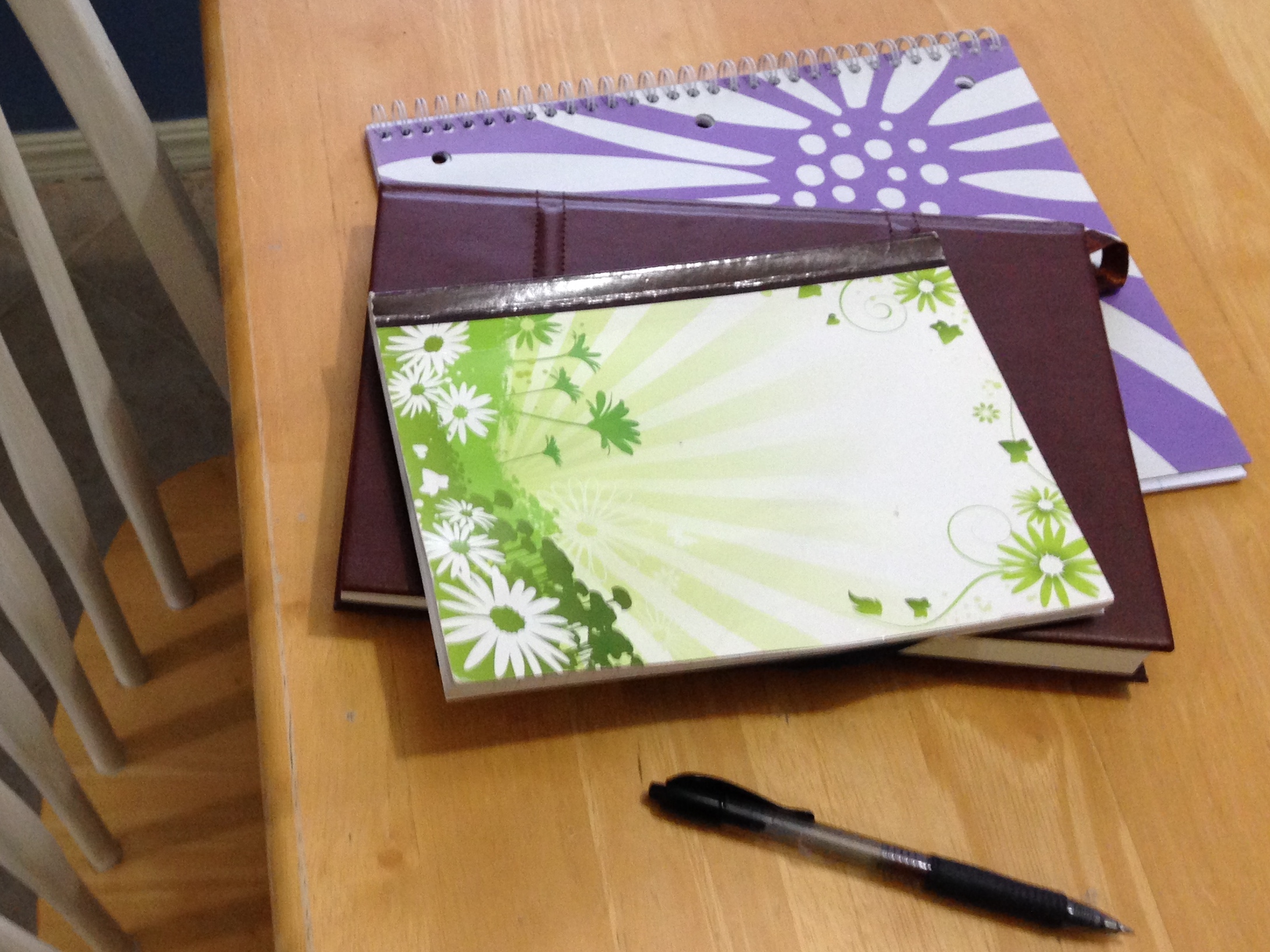
gratitude journals at table and chairs cropped pic

Gratitude journals are not new, but they are still a practice I find very helpful for myself and my clients. And there are so many different ways to use them. Traditionally they are a daily log of what good things have happened for us that day. It is a way of capturing all the good and reminding our self of what is going well in our lives.  Helping us to not let the negative bias of our brain drown out all of the good that has been going on.  I was thinking wouldn’t it be nice to take this concept and use it for “relationship building”.  So I have chosen this forum to focus on Gratitude Journals that Build Relationships.


Keeping a “Relationship Gratitude Journal”

The Rationale

Relationships thrive on compliments, gratitude and appreciation. The outside world can deal us disappointment and upset at times. When our relationships are filled with the good it is so much easier to get our balance and feel better. And when we feel good about ourselves and our loved ones we feel more inclined to put more into our relationship to keep it strong and well. Gratitude builds good feelings and that is an essential part of a healthy relationship – feeling positive feelings, which leads to feeling connected.

Basic Guidelines

  •  You will be writing about what you appreciate or feel thankful for in regard to your loved one. This could be your husband, your significant other, your daughter or son.  You will need to decide who you want to focus on.
  • Focusing on specific actions and using detailed description of what it is they did or said or didn’t say, etc is most helpful. For example: “I was so grateful when John started supper when I came home late from work.” OR “I loved it when Susan took time to listen to me about . . . even though I know she was busy with . . . “
  • Be expansive and try to broaden out what you see and hear from your loved one to help illuminate all the parts you see and are grateful for.  Try to write about different things that you see. It is ok to duplicate, but try to think of all the different things that are there to appreciate. Being specific with the specific day or the specific week will help to be more expansive.
  • Ideally this would be a joint project, in which both of you are doing your own gratitude journal.

How to Create YOUR Gratitude Journal that Builds Your Relationship:

  • Find a journal that you really like and will draw you to use it every day. Of course any note-book or pad of paper will work. So don’t let not having a “perfect” journal get in the way of keeping a Relationship Gratitude Journal. But if possible find a journal that really calls to you.
  • Design a plan of action as to how you will do YOUR Relationship Journal.
  1. Who am I going to focus on? My husband or partner? My children? My entire family?
  2. How often do I want to record my feelings in my gratitude journal? Daily? Weekly?
  3. Will I choose a specific number of entries I strive for or will it be completely open-ended?
  4. Will both of us keep a gratitude journal? Is this a joint endeavor or is this just an individual project?
  5. When and where will you share your gratitude feelings? Daily or Weekly?

Gratitude Journals in ACTION:

Sharing your journal entries with each other OR you only sharing your entry with your loved one is putting this “Gratitude Journal” into ACTION. This takes a gratitude journal to a whole new level. Not only do you feel the wonderful feeling of gratitude but your loved one does as well. So you are now building relationship and connection. This is a bit of a different twist than a traditional gratitude journal. This is expanding and sharing the wonderful appreciative feelings you have discovered.

Again it is ideal to both be sharing your feelings of gratitude. But you can start with just one of you, if one is not able to do this or not wanting to do this. Any feelings of gratitude that are shared are helpful and build a sense of love and connection. Gratitude = Connection.

Young man giving piggyback to woman


Storing Up the Good – A Yearly Blessing Jar Tradition

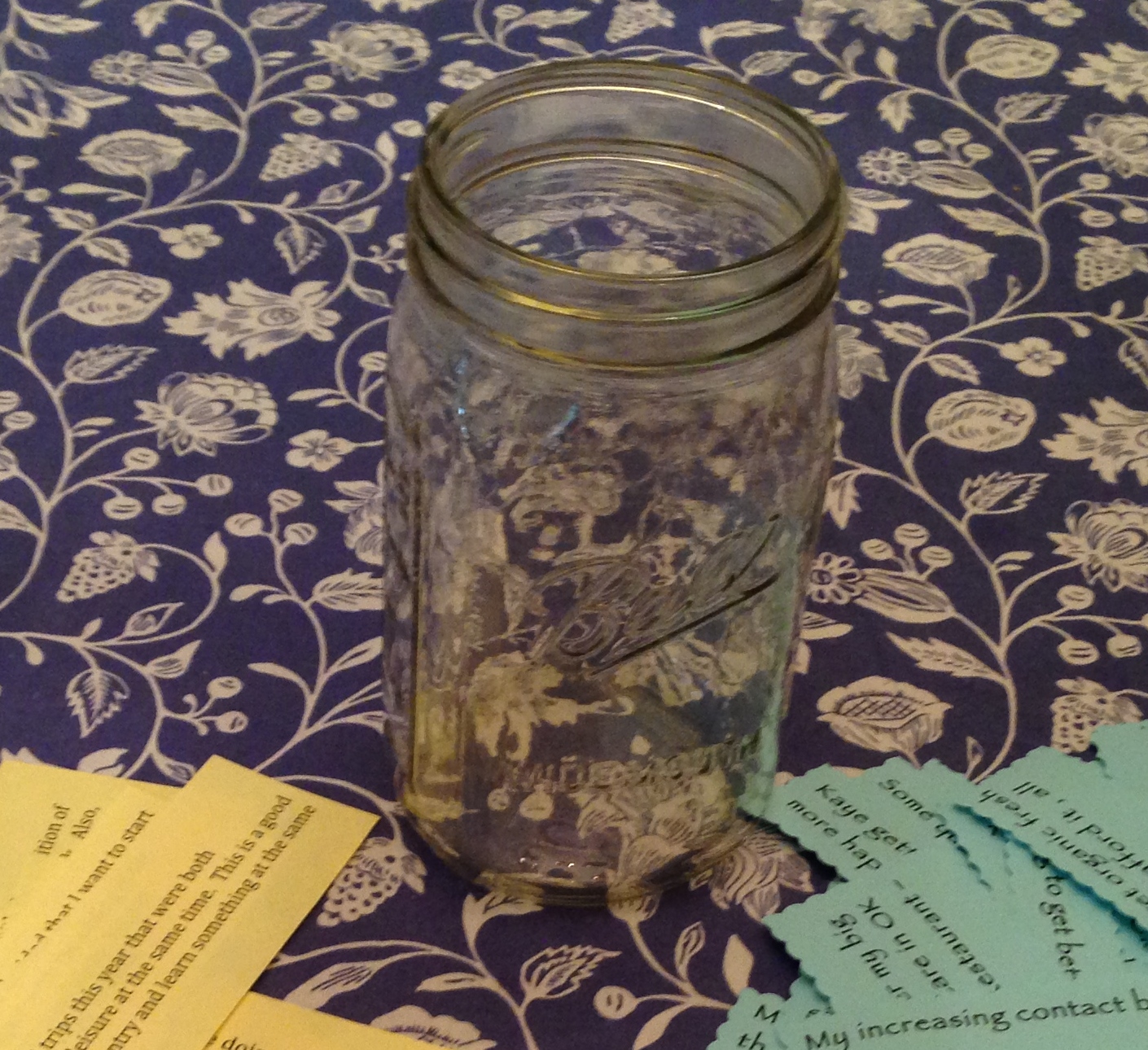
blessing jar 2014 prep with strips of paper

Sometimes we can forget all the good that has happened to us. The everyday upsets sometimes get in our way of remembering all the blessings that have occurred for us. I decided to start a new tradition this year in our family – A yearly recounting of all of our blessings from the past year. I decided it is a fitting January activity to start the new year out. Remembering what is good is an excellent way to start the momentum to more blessings and more happiness. For me gratitude is a basic foundation for happiness and creating more of what we want. This could be done any time of the year of course, but winter is a time that could use a bit of sunlight to shine in our darkest part of the year.

So let’s store or can up the harvest that we have reaped from this past year. Here is my idea of how to make this happen. Hopefully it will give you a start to designing your own format of how to “store up” the good stuff from this past year.

  1. Gather your family up and explain what you are wanting to do – Create a Blessing Jar for all the good things that have happened in the past year. These can be good things that have happened to each of you personally or to a family member or to your family as a whole. It can be larger highlights or it can be very small things that have occurred, maybe a small piece of progress toward something you are wanting. Note: You can of course just do this as a couple activity or for yourself as an individual activity. 
  2. For fun use a canning jar, such as a Ball or Mason jar for the storing or canning up of your blessings. Of course any jar with a lid will work. I would suggest a quart sized jar or whatever size you need to hold your blessings of your family.
  3. Have each choose a color of paper to represent their blessings they are adding to the blessing jar.  Have scissors available for folks to cut out their strips of paper. It can help for each person to add their name to their blessing so if in the future the family decides to look back at the blessings they will know who wrote them.
  4. As each person adds a blessing to the jar, encourage them to read it out loud so others can hear what they are seeing as a good thing that has happened to them in the past year. This can be a respectful witnessing of each others good feelings and acknowledging the importance of what has occurred for them. We might even reflect on what has been offered for the blessing jar. We can make a comment or ask a question to find out more about what made this so good for your family member.
  5. This can lead to thanks for these blessings or some kind of conversation about being grateful for all the good that has happened in the past year. This can also lead to a discussion about what we are wanting in the coming year. To keep it short or workable for children you can possibly have each person share one thing they are wanting for the new year. You want to keep this to be a positive experience for everyone. If you feel you are losing folks, it is ok to break the activity into two spaces of time or to simplify the activity. There is no wrong or right way to do this. The main goal is to share with one another the good stuff that is happening in your family and showing gratitude for these blessings.
  6. Mark the top of your jar with the year you are reflecting on and gathering the good stuff from.
  7. Store your “canned goods” someplace where you can access them when  you would like to in the future. Hopefully you can find a place in which you can each year add a new Blessing Jar. How cool will it be to add a new jar each year and see a growing collection of canned goods.

blessing 2014 jar final pic with papers in jar with lid in pic

I hope you will find your own version of reflecting on all of the good things that have happened for you and for your family in the past year. I think you will also find this activity to be a connecting one as sharing the good has a way of making us feel closer.  Best wishes for a wonderful new year ahead filled with opportunities and more blessings to come.

Easing the Hurt of Separating From Loved Ones

goodbye hug by mom and young son

You’d think it would get easier as time goes on to separate from loved ones. Weather it is from your child who is in a two parent home OR from your young college aged child going back to school OR a newly married daughter going back to her new home OR maybe from a spouse or significant other who travels a great deal – it is hard. We are creatures of connection and bonding, so it does hurt when we separate from our loved ones. We can adapt and develop healthy strategies to work with these normal feelings of upset when we must be away for extended periods from our family.

Here are some things to consider in easing the hurt of separating from loved ones:

  1. Acknowledge your feelings of upset. Sharing your feelings of upset with another loved one or a friend can help. If need be you can just acknowledge them to your self. Maybe writing your feelings in a journal to validate and externalize them. The important thing is to honor and respect how you feel. It is ok to grieve a bit.
  2. Put the separation in context. Looking at the bigger picture can help. IF your child lives in two homes, then you might think about what are the healthy parts of this situation. You might concentrate on what is best for your child as to having contact with both of his or her biological parents. IF your child is going back to college, you might focus on the fact that they are preparing themselves for a future that they desire and will hopefully bring joy and happiness to them. Something you want for them. IF your adult child is going back to their new home, you can be happy for them in their ability to have a relationship and live an independent life of their choice. This is a normal, natural progression and one that shows you did a good job. IF your spouse or  significant other travels a great deal, you might look at why he or she does this – possibly to provide for the family or make a living doing something that uses their skill set or makes them feel satisfied or happy. The point is to broaden your look outside of yourself. This is not to discount your feelings of upset, but to possibly add to the view by seeing the broader context.
  3. Retrieve and replay the “Good Times” to become your touchstone. Your memories of good times together are always there to bring back up for reflection and for looking back on in your mind. Even if we are feeling upset, we can let the “good times” we have had come back up to enjoy. Let the “good times” continue to shine and warm your heart.
  4. Create a solid plan of how to stay connected. This is one of the things that can most help in being separated from the ones you love. This can be a collaborative effort in finding ways that you can still connect if you are not in the same physical place. With today’s technology this is so much easier than it was for past generations. Not only can you call but you can text and email and Skype and what ever else that is available. Let us not forget the handwritten note. It is now a bit of a treat to get a hand written  note from a loved one. Small packages or gifts can be exchanged. And of course planning as much physical time together as you can. The trick with all of this is to of course just take time to schedule and plan to do these things that keep us in each other’s lives when we are away from each other. I want to say I am not talking about being invasive or over the top having
    to be with another each moment, I am talking about collaborating and finding a mutual plan of action that works on both ends. With of course some spontaneous acts of connecting too.cell phone use by adult womancell phone use by teenager
  5. Live your own life to the fullest. You now have time to focus on you and what you want to do and achieve. Use this time to really be with yourself and do what makes you happy – whether it is a new work project or an activity that brings you joy or a feeling of satisfaction or fulfillment. You might even see this as a gift of time for you to create or explore or renew yourself, whatever it is that you may need. Choose to be happy and fulfilled.
  6. Use positive self talk to keep yourself on track. This is saying things to yourself that show you are confident that all is well and will be ok. For example you might say to yourself some of the following: “I miss . . . . . . but I know we can stay connected.” “I am planning on a weekly call to . . . . . . . . so I know we will stay in touch.” “I know this is a good thing for . . . . . .  . I am happy for him.” “We are setting up a plan of when to see each other. I know we will stay connected and close.” “I now have time to work on . . . . . .  . I am going to enjoy this time working on this.” “Even though I am sad, I know I will be ok.”

So yes it can hurt to separate from your loved ones, but you can stay connected and you can find ways to use this time to still find happiness. Talk with your loved one and make a plan on how to stay connected and then decide for yourself about how you can find your own happiness too. Best wishes on being both separated and connected.


Connecting with What You Love During the Holidays

photo-12

I have decided to make time for what I love the most during the holidays. Not always easy in the rush and dash to get it all done. I wish for you too this lovely idea of making time for what matters. So what matters to you? Is it family? Or spending time with loved ones? Or connecting with the spiritual meaning of the holidays? Is it doing specific holidays rituals that bring you joy? Whatever it is I wish this for you.

A few things to consider to connect with what you love . . .

  1. What do you love most and most want to connect with during the holidays? Consciously decide what that is. There may be parts of past holidays that you liked and other parts that you did like so much.
  2. Consider adding in more of what you have enjoyed and has had meaning for you in the past. Or this can mean adding in pieces that have not been a part of your holidays in the past, but you want them to be. You are the creator of your holidays.
  3. Think about deleting of doing less of things that have not brought you joy in the past. Sometimes we cannot “delete” things that need to be done to prepare for the holidays or take off our plates certain obligations. But we can potentially do less of them or shift these things so they are more enjoyable. Or maybe even turning something that is not enjoyable for you or something you would rather not do, by pairing it with something you do enjoy. For example: Maybe you hate wrapping your gifts, but you love watching holiday movies; so you combine the two and have a wrapping party as you watch your holiday movies, eat your favorite snack and wrap gifts.
  4. Highlight and fully absorb all the joyful things that happen to you during the holidays. It may be that you are surprised by what  turns out to bring you happy feelings. When they occur, take a moment and let them really soak in.
  5. Last of all let the not so joyful things that occur roll off your back and keep your focus on the stuff that brings you feelings of joy and happiness. Reliving and dwelling on the things that have upset you will only rob you of your joy. So let it go and enjoy the good stuff. If it really is bothering you then it may be you need to decide what will make you feel better and put that into action opposed to obsessing over something.  It can be helpful to remember what we focus on is what we get more of. So keep those thoughts on what is making you happy. You will be glad you did.

Best wishes for a wonderful holiday filled with all the things you love to do!


Having a Healthy, Happy Holiday. Is that Possible?

eating healthy family

Is it possible to have a healthy and happy holiday? I think so. First of all my definitions of “happy” and “healthy”. Happy is what brings you joy and feels really good to your whole mind and body. And healthy is about listening to our bodies and our “inner voice”. The two terms are actually very interconnected. 

When we think of healthy we think of what is “good” for us. And yes there is that part. But it is also about how when we are doing things healthy  (listening to our bodies and inner voices ) ultimately it brings us happiness and joy.

Here are some things to consider when thinking about your holiday and how it may be possible to balance these two not so unrelated concepts.

  1. Decide what YOUR definition of “healthy” and “happy” are. Each of our definitions will be a bit different as we are all unique.  
  2. Entertain the idea that “Good for You” or “Healthy” does not have to be not fun or boring or sacrificing. It can be joyful and feel really, really good. Because it is about really listening to your body and inner voice as to what is best for you and what you need right at that moment. And it feels so satisfying when you can be truly attuned to that small still voice within you. So you are at a family gathering. It may be your body is saying I have eaten a lot of food and have been sitting a long time, I need to move a bit. So you go for a walk with some like-minded folks who feel the need to go out and move a bit too. Or maybe you really want to splurge a bit and eat off the path and you find as you are doing this that your body has a time when it says that is enough, these few bites are enough. Or maybe you want to make a special dessert and still be somewhat healthy. So you search and find there are many such recipes available.
  3. Not being obsessive about being healthy. I am not suggesting that you not stay true to what you believe in and feel good about. I am suggesting that on occasion you may not have a choice and have to eat something that is not optimal or what you want to be eating. Maybe you are traveling. Or it may be you cannot exercise at the same level during the holidays, but you can get some active time. So be ok with what you can do and enjoy and decide not to worry too much about a bit of shifting.
  4. Plan concrete ways ahead of time as to how you can incorporate  your healthy / happy lifestyle into the holidays. As you are planning your activities with your family, try to see if you can include some active times and also some healthy dishes or drinks, etc.  Plus some true relaxing time frames. Because rest and relaxation are of course a part of a healthy lifestyle. So brainstorming as a family how you can have a nice balance of special treats and activities and also times of more low-key activity and some healthy food and physical activities.

Happy Holidays to you all and best wishes for a healthy, happy holiday!

How to Choose Toys, Games and Electronic Devices for Children

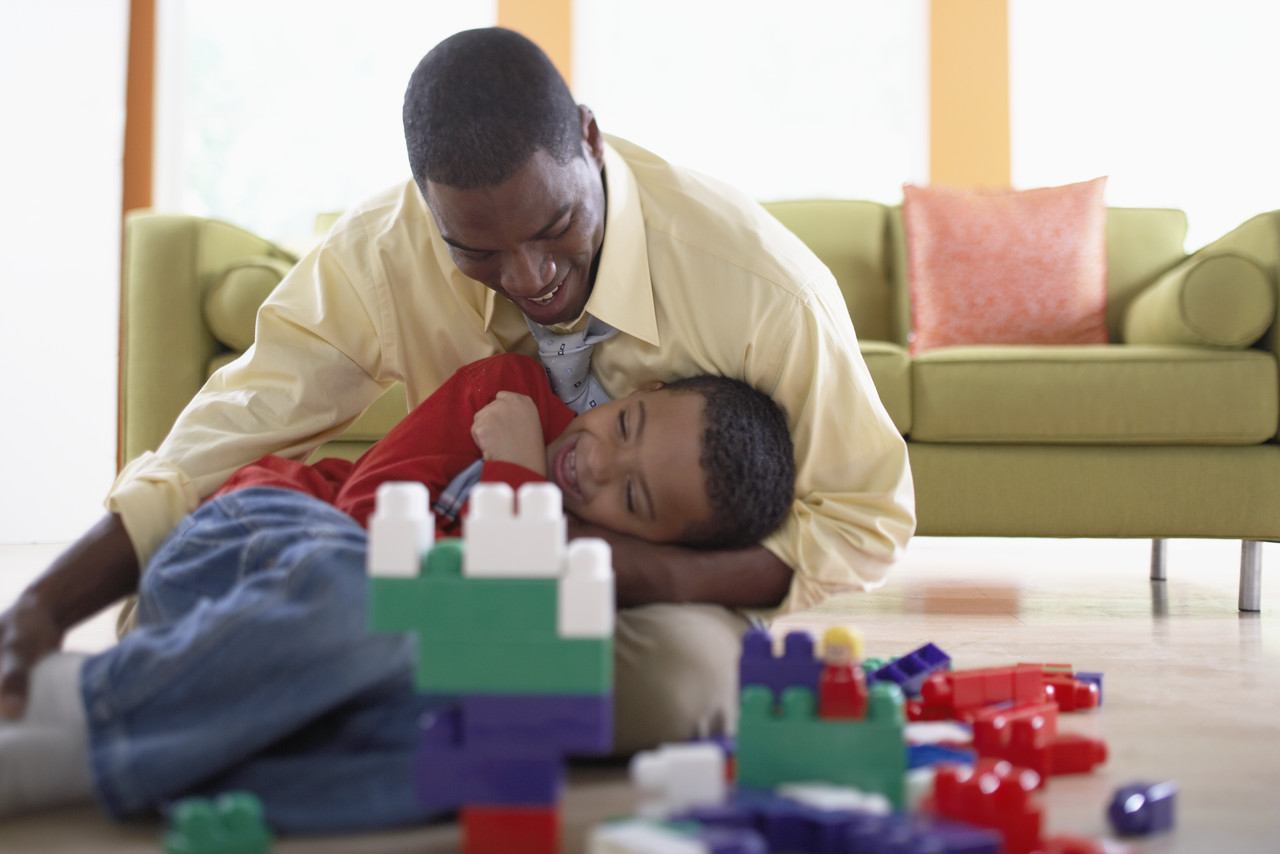
Father and Son Playing Together at Home

Weather you are a parent, new or not so new OR a grandparent OR an aunt or uncle, etc, it can feel a bit daunting as you are looking at all the toys and games before you. I think there are some basics for all of us to consider when we buy gifts for children. Because it does matter what we buy children.  I spoke in my last week’s blog piece on why it matters. So before you buy, here are some things to consider . . .

  1. Does this toy or game or electronic device represent something healthy? We want to encourage healthy thinking and problem solving. Plus, healthy interactions and ways of seeing the world. So ask yourself, as you consider this toy or game or electronic device – “Is this healthy and promoting what is good and wholesome. I know, wholesome is a bit outdated, but it fits for here.
  2.  Is what you are looking at developmentally age appropriate for the child you are about to buy for? I know at times children want or ask for items that really are not suitable for their age or maybe it may be ok for some 10 year olds, but for other 10 year olds it may not be a fit due to . . .  This may be that the child is not ready for a DVD that will keep them up at night with nightmares, etc. Sometimes we may not know  what is appropriate for each age. See some of my general thoughts posted below on the different age groups.  You will also find most toys and games have general age indicators on their packaging.
  3. Is it a toy or item that can be used in multiple ways to be creative? An example that comes to mind are open-ended building materials, such as:  building blocks, legos and other put together materials in which your imagination is the limit. Or maybe you are looking at a computer game. Choosing one in which you can create is a good choice in general, unless it is creating something unhealthy. Another example might be instead of giving coloring books, consider a pad of blank paper and some higher quality markers or colored pencils in a tinned box. Or opposed to a doll that talks, walks, and . . . , consider a doll that the child provides all the actions using their imagination.
  4. Is it well made and ideally with natural materials? There is so much more information the past several years about different plastics being toxic. Information on this can be found on the internet. You will find some more high quality toys that will have labels that disclose they are not using certain kinds of materials.
  5. Does this toy, game or electronic device dovetail with the child’s interests?  We are all unique individuals with areas of specific interest. This starts early on, so consider when selecting this gift “Would this be of interest to . . . or would they enjoy this?” This does not mean we cannot expose children to new things, we can. But it does make children feel you care and that you really get them when you are attuned to their unique interests. For example: animals or space or a collection of a particular something, etc.

General Thoughts on Different Age Groups & Some of My Favorites for Children and Teens:

Infants and Toddlers:

Infants and Toddlers put everything in their mouth and are exploring with all of the senses. So I try to remember the “no objects that could get stuck in their throat” rule. Plus, they love bright colors for stimulation and muted colors for rest and relaxation. Toys that are non toxic are extremely important for this age due to everything going into the mouth. Plus toys that can handle lots of active, physical play. Looking at the specific skills that are in their range or are emerging is important to consider.  From about 18 months -3 years you will see more pretend play happening.

Look what is this

My favorites for this age group:  

Sensory Based Toys: Teethers with different textures. I really like Sophie a fun natural rubber giraffe and teether.  Blankets with different kinds of textures and sounds.

Balls of different sizes and shapes. (no extra small ones that could be swallowed)

Push / Pull Toys, Stacking Toys, Small Riding Toys

Duplo Lego for Toddlers and Twos / Threes

Simple Baby Dolls for both girls and boys

Simple Sturdy Hard Paged Books Intended for Infants and Toddlers

Preschoolers:

The age range from 3 -5 is one of lots of fantasy, pretend & highly imaginative play. More social cooperative play is part of this age. So this is something to take into consideration when buying for this age group.

My favorites for this age group:

Wooden Blocks

Pretend Domestic Play: Dolls, Sturdy Dishes, Stove/Sink Sets, Sturdy Simple Doll Houses  with People and Furniture, Cars & Trucks

Puppets

Creative Art Materials

Put Together Toys: Duplo and Regular Lego, etc.

Tricycles

Elementary:

More defined interests emerge for this group. You will find some children who love active sports and games and others who may be more into arts and crafts or computer games, etc. The lower end of this group, K-3rd will still enjoy some pretend, imaginative fantasy play and items as listed in the preschool age range. All of this will depend of course on the individual child.

Electronic and computer kinds of activities are beginning to be more prevalent within this age group. If possible I think it is helpful not to let this slide down into the preschool age group, as they need to be exploring their world in a concrete way as the younger elementary set should be as well. Toys and equipment that encourage active play is so very nice as to sitting in front of some kind of screen device that has become so common.

This is the age that you see more games and competitive play come into action. My take is that including some cooperative games can be a very healthy strategy to help children learn to problem solve and learn how to interact in a socially healthy way. Competitive games are ok for this age, especially the older elementary age group. But having some cooperative games can provide a nice balance for really learning how to function for the good of the group and also be in our competitive society we live in.

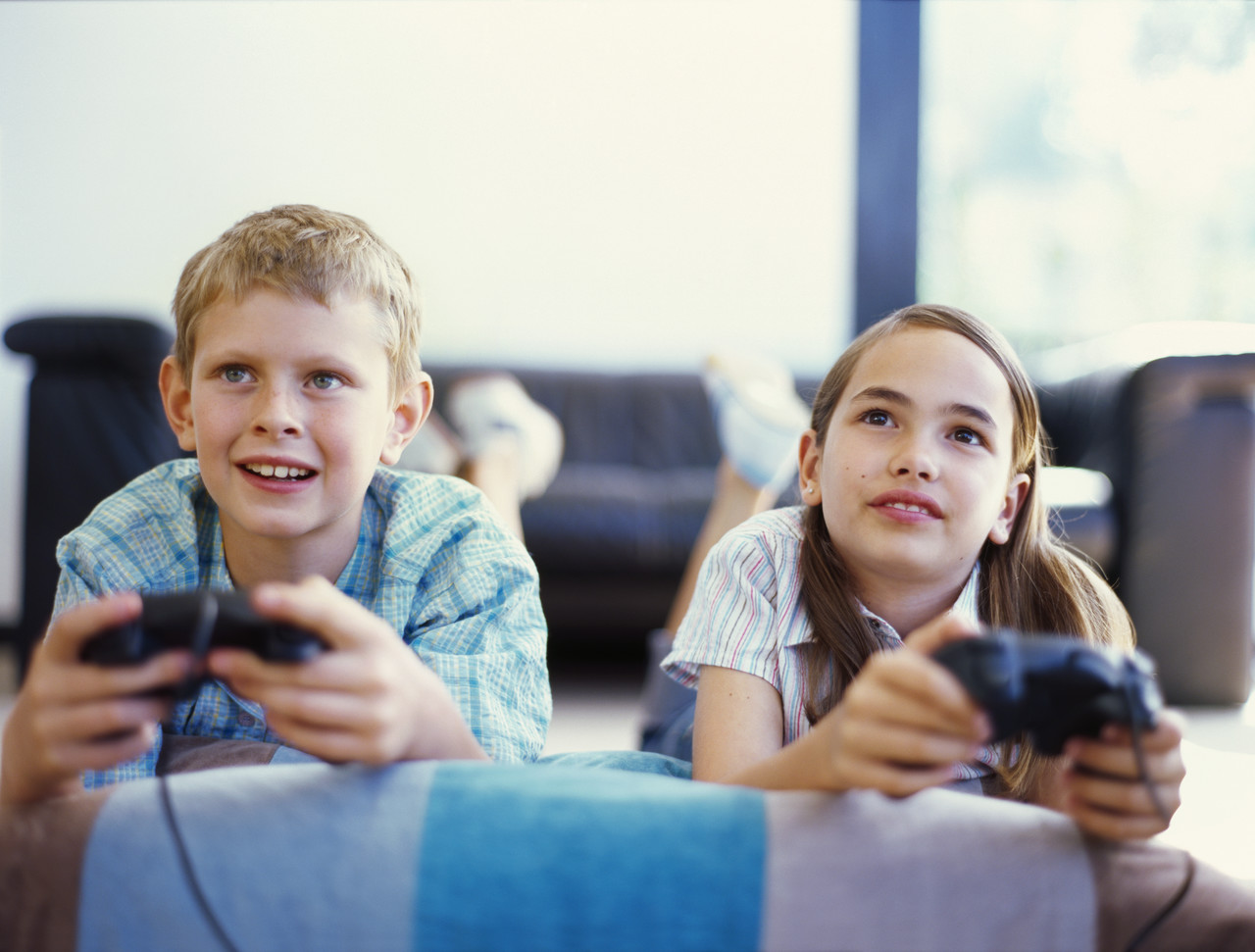
boy and a girl playing video game

My favorites for this age group: 

Play Mobile

More Intricate Doll Houses

Lego that Fits Age and More Advanced Put Together Toys

Cooperative Games

Creative Art Materials

Books and Magazines of Interest  ( I love Ranger Rick)

Physical or Sports Items – Bikes, Balls for Different Sports, etc.

Items of Specific Interest for the Child that are Healthy

Teens:

I feel this is a highly individualized age group as to what games and electronic they might like.

This may be sports equipment, art materials, books, games, screen devices or electronic games (that you really feel good about).

Of course, clothes of their choosing and ones you can live with are popular.

Sometimes a gift certificate to their favorite store where they can pick out what fits specifically for them can work well.

I hope this helps in your choosing of toys, games and electronic devices for all the young people in your life.  Best wishes in your endeavors to find the right fit.